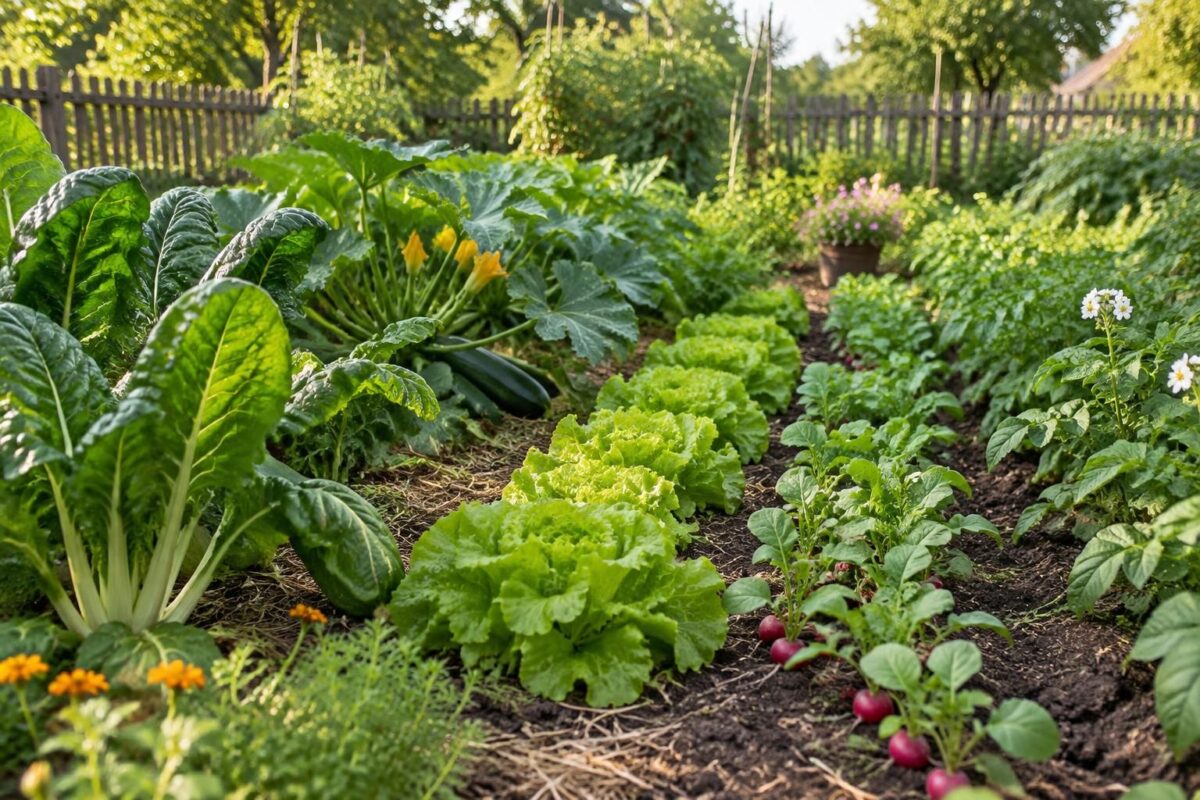
Garden care: Which vegetables require little maintenance?
Hello, this is Solan.
Jerusalem artichokes, chard, parsnips, orach, and a few perennial vegetables are among the best choices for a low-maintenance vegetable garden.
The secret isn’t doing nothing, but choosing hardy plants suited to your soil. A well-laid mulch and harvesting at the right time will then reduce the workload.
Things to do right away
- Choose two or three easy-to-grow vegetables instead of sowing lots of different seeds.
- Lay down mulch to limit weeds and slow evaporation.
- Set aside a corner for perennial vegetables or those that can self-seed.
- Adapt your choices to your soil: parsnips like deep soil, while oca needs well-drained soil.
- Plan to harvest regularly, especially for chard and lemon cucumbers.
To get started simply, these tips on vegetables to plant when trying gardening for the first time can help you choose easy-to-grow crops; you can also prepare your garden with these tips for weeding without spending your Sunday doing it.
Which vegetables really need little maintenance?
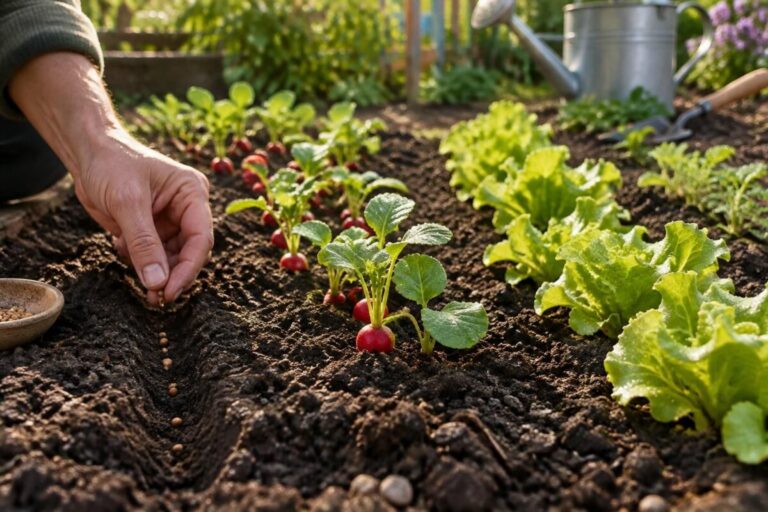
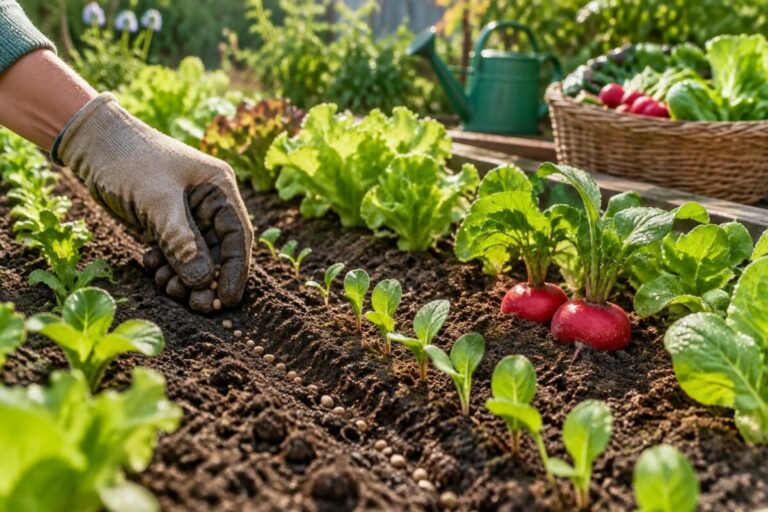
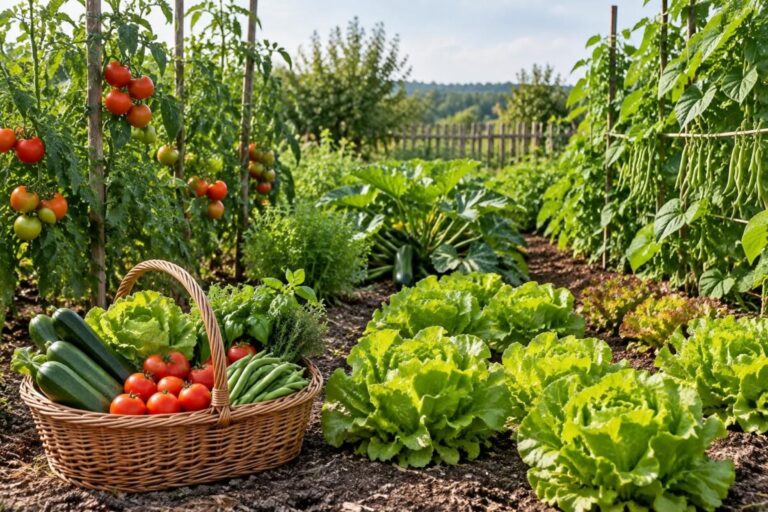
An easy vegetable garden relies on plants that can tolerate the occasional oversight, not on crops that are completely self-sufficient. Radishes, green beans, and some lettuce varieties grow quickly, but require regular sowing or consistent moisture; zucchini and tomatoes may also need more water and attention in summer.
By contrast, hardy vegetable plants such as Jerusalem artichokes and perennial kale remain productive with minimal care. For example, Léa, who can only garden on weekends, can combine a row of chard with a few Jerusalem artichokes planted in a dedicated area: she can harvest as needed without having to replant all her crops every week.
| Vegetable | First step | What to watch for |
|---|---|---|
| Jerusalem artichoke | Plant a tuber 10–15 cm deep | Keep it contained, as it can spread |
| Chard | Sow directly in the ground in spring | Harvest the outer leaves |
| Parsnip | Sow from March to June in deep soil | Keep the soil moist while the seeds germinate |
| Lemon cucumber | Sow under cover in spring, then plant out after the frosts | Harvest while young to prevent bitterness |
| Peruvian oca | Plant in spring in well-drained soil | Wait until autumn to harvest the tubers |
Jerusalem artichokes and chard: generous harvests with little effort
Jerusalem artichokes thrive in full sun or partial shade and tolerate cold quite well, as well as dry spells once established. They grow in a range of soils, but it’s best to give them a specific spot: forgotten tubers can send up new shoots the following year. In autumn and winter, harvest only what you need.
Chard is generally sown in April or May and produces leaves from summer through autumn. Cut the outer leaves so the center can keep producing. It can be cooked like spinach, and colorful varieties such as “Rainbow” also add a decorative touch to the vegetable garden.
Parsnips, lemon cucumbers, and oca: easy to grow, with a few precautions
Parsnips like full sun and deep, rich soil that stays sufficiently moist to help the seeds germinate. Their roots can be harvested from autumn onward; cold weather often makes them sweeter. Sowing them in a suitable spot avoids repeated handling and provides a convenient winter harvest.
Lemon cucumbers produce round fruits about 5 to 8 cm across. They tolerate heat better than some varieties, but still need regular watering at the base when the weather is dry. Sow them under cover in March or April, then transplant them after the last frosts, toward the end of spring.
Peruvian oca is planted in April or May in a sunny, well-drained spot. It doesn’t need earthing up if you aren’t trying to maximize the harvest; wait until the foliage has been hit by the cold before digging up its small tubers. Leave them in the sun for a few days after harvesting to mellow their slight acidity.
Perennial and self-seeding vegetables to make the garden easier to maintain
Some vegetables reduce the workload by coming back on their own. Orach, a relative of spinach, can self-seed: sow a few seeds in a small patch of bare soil, then let a few plants go to seed. Young shoots may appear again without having to sow new seeds.
Daubenton kale, on the other hand, forms a bush that produces leaves for several years. It does well in rich soil with compost added at the end of winter. Perennial leeks and perennial arugula also provide regular harvests, as long as you find them a suitable spot and cut the leaves as needed.
Lettuces such as oak-leaf lettuce can also self-seed if a few plants are left in place until they go to seed. This method doesn’t guarantee that seedlings will emerge everywhere, but it can provide more self-sufficient young plants over the seasons.
Three steps to start an easy-care vegetable garden
- Observe your garden. Identify sunny areas, spots where water collects, and patches that dry out quickly. Choose plants to suit these conditions.
- Plant a little, but do it well. Start with chard, parsnips, or a small patch of Jerusalem artichokes. Add mulch after planting to limit competing weeds.
- Harvest and adjust. Cut chard leaves as needed, monitor moisture levels around young plants, and save a few seeds or tubers for the following season.
There’s no such thing as a completely effortless garden, but the right choices can greatly reduce repetitive tasks. By starting with a few low-maintenance vegetables, you can build a productive garden without having to spend time on it every day.
Which vegetables need the least watering?
Once established, Jerusalem artichokes and some perennial plants tolerate dry spells better than water-hungry crops. Mulch still helps all plants retain moisture.
Can Jerusalem artichokes become invasive?
Yes. Forgotten tubers can sprout again the following year. Plant them in a dedicated corner and harvest regularly to limit their spread.
Can you grow an easy-care vegetable garden without watering?
No, especially when sowing and after planting. Young shoots need moist soil; after that, hardy species and mulch reduce how often you need to water, but don’t necessarily eliminate watering altogether.
Which vegetables should beginners choose?
Chard, Jerusalem artichokes, and parsnips are good choices if they suit your garden. For quick harvests, add a few radishes, keeping in mind that they need to be sown successively.
I hope you’ve found these tips helpful. See you soon! — Solan