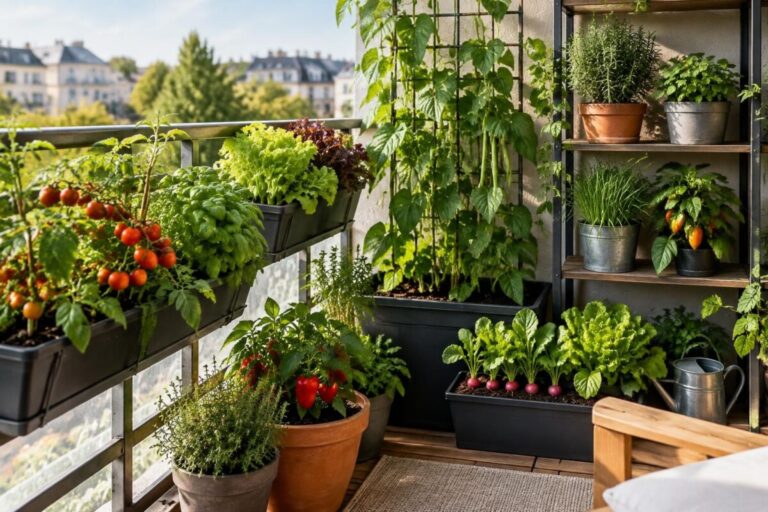
Vegetable plants: which ones like a sunny spot?
Hi there, it’s Solan.
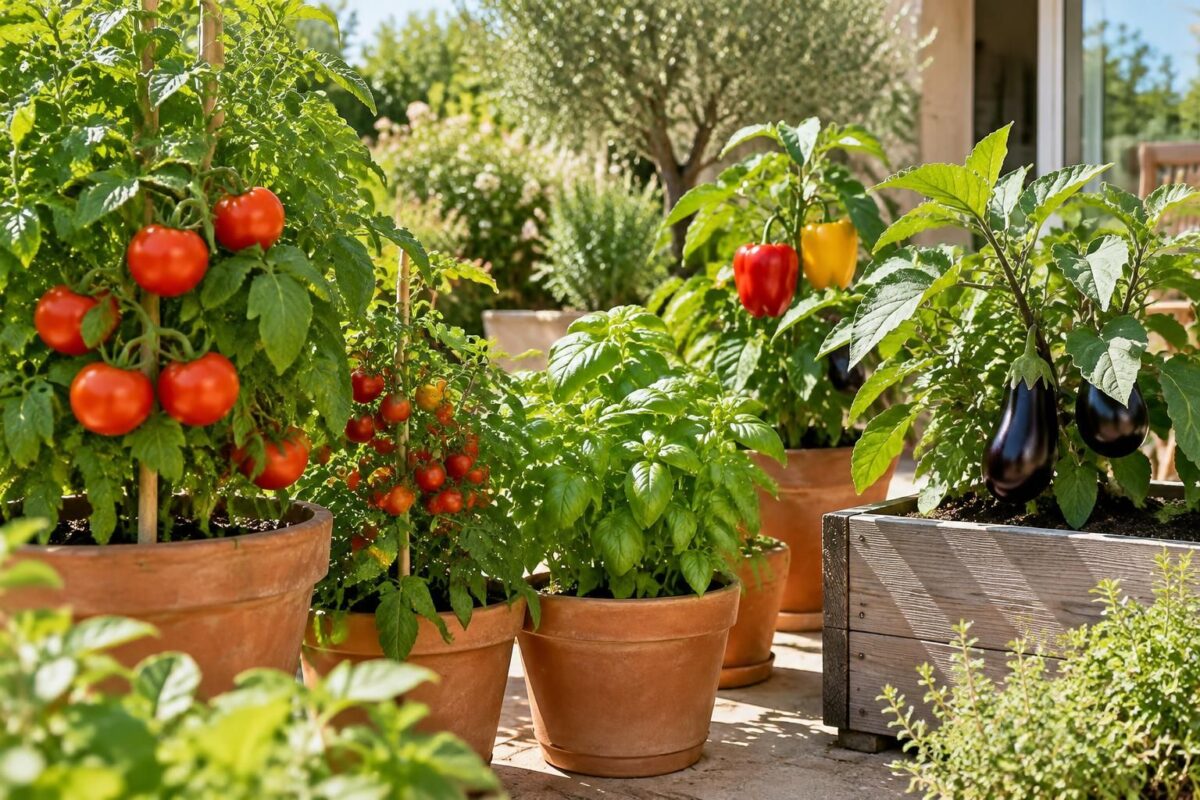
Tomatoes, zucchini, peppers, eggplants, and cucumbers are among the vegetable plants that benefit most from a sunny spot.
With about 6 to 8 hours of direct sunlight a day, these vegetables produce better and ripen more easily. Green beans and radishes are also good choices, while lettuce often prefers a little shade when the days get very hot.
What to do now to choose sun-loving vegetables
- Track the hours of sunlight: observe the spot in the morning, at noon, and in the late afternoon.
- Reserve the sunniest spot for tomatoes, peppers, and eggplants.
- Allow some space for zucchini and cucumbers, which spread out or climb.
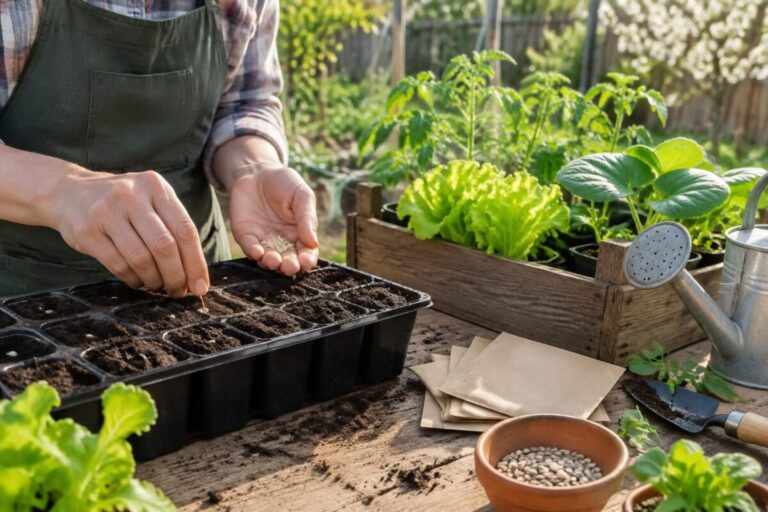
- Sow a few radishes or green beans for easy, quick harvests.
- Keep lettuce out of intense heat or sow it at regular intervals.
To get started without growing too many crops, compare these easy vegetables for a beginner’s vegetable garden with these ideas for successfully growing vegetables in a small space.
Which vegetables should you choose for a sunny spot?
A sunny location is especially suitable for fruiting vegetables. Tomatoes, peppers, and eggplants need warmth to flower and ripen well; cucumbers and zucchini also appreciate plenty of sun, along with soil that doesn’t dry out.
| Vegetable | Recommended sunlight | Keep in mind |
|---|---|---|
| Tomatoes | 6 to 8 hours a day | Water at the base and provide a stake for climbing varieties. |
| Peppers and eggplants | About 6 hours or more | They appreciate a warm, sheltered spot. |
| Zucchini and cucumbers | About 6 hours or more | Give them room and keep the soil consistently moist. |
| Green beans | About 5 to 6 hours | They grow well in the sun, in the ground or on a support, depending on the variety. |
| Radishes and lettuce | Gentle sun or partial shade, depending on the heat | In summer, light shade helps prevent them from going to seed. |
Fruiting vegetables: the most sun-loving crops
Tomatoes and eggplants need light to produce flavorful fruit. In a small garden, a tomato plant growing against a sunny wall can already provide a worthwhile harvest, as long as you don’t let the soil dry out.
Zucchini and cucumbers are just as productive, but they take up more space. A trellis can guide some cucumbers upward, while a zucchini plant generally needs room on the ground. Sun helps, but a good supply of water is still essential.
Beans, radishes, and lettuce: more flexible crops
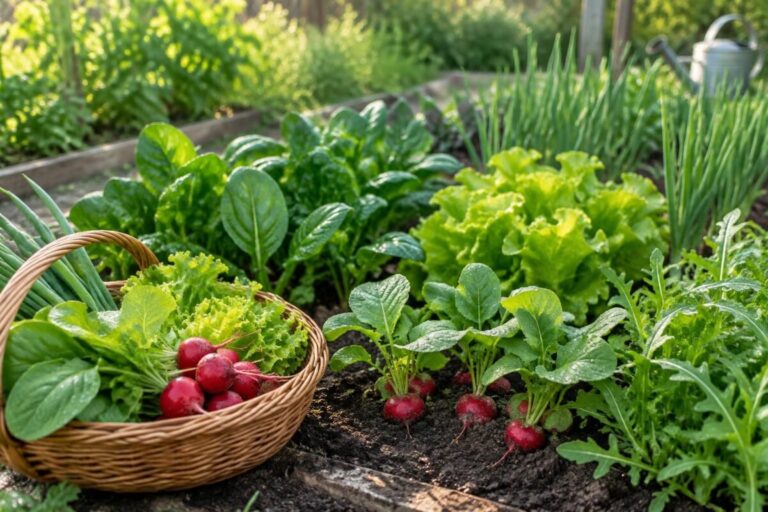
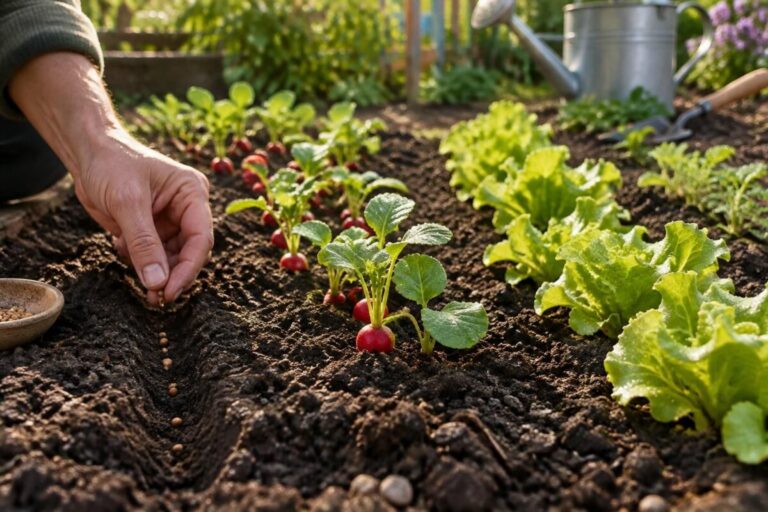
Green beans like a sunny spot and are a good choice for a first vegetable garden. Radishes grow quickly, but intense heat can make them more peppery or cause them to go to seed; successive sowings and keeping the soil moist often improve the results.
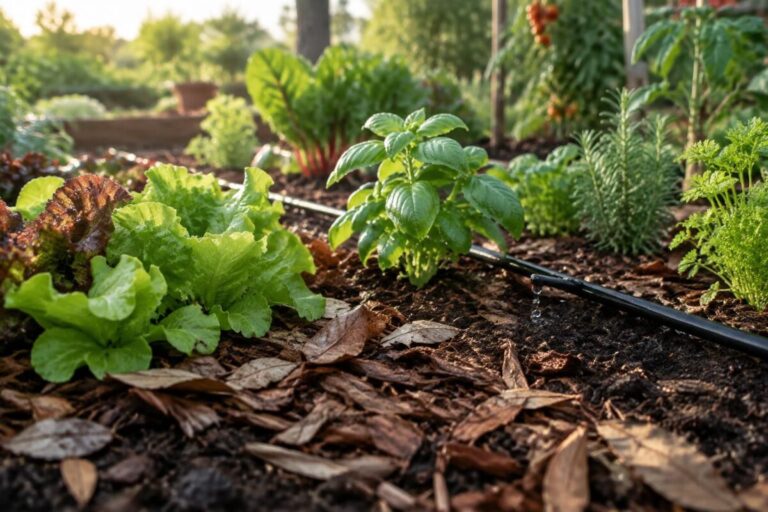
Lettuce is less tolerant of scorching full sun. If your spot gets a lot of sun, plant it near a taller plant or choose an area that gets a little afternoon shade. A few basil plants near the tomatoes make a nice addition to the garden bed and also enjoy the warmth.
A simple example of how to arrange a sunny garden bed
Imagine a garden bed about one meter by two meters, facing south. A tomato plant and a basil plant can go at the back; two zucchini plants would be too crowded, but one plant will have room; along the edge, a few radishes will soon free up their space.
This layout combines crops that like the sun while taking their size into account. It also avoids the common mistake of planting too densely: the leaves get in each other’s way, air circulates less freely, and maintenance becomes more complicated.
Three steps for planting your crops
- Observe the sun exposure. A simple check over the course of a day will help you identify the areas that get at least 6 hours of direct sunlight.
- Arrange crops according to their height. Put taller plants at the back or on the north side of the bed, then reserve the edges for radishes and lettuce.
- Water and adjust. Water at the base, check the soil’s moisture, and protect the lettuce if the heat becomes intense.
By choosing vegetables to suit the sunlight your garden actually gets, you can make the most of a sunny spot without making your vegetable garden harder to manage.
How many hours of sunlight do tomatoes need?
Aim for about 6 to 8 hours of direct sunlight a day to encourage growth and fruit ripening.
Can lettuce grow in full sun?
Yes, especially in mild weather. During hot periods, light afternoon shade and moist soil help reduce stress and prevent it from going to seed.
Which vegetables should you choose for a small sunny spot?
Staked tomatoes, radishes, and green beans are good choices. A zucchini plant can also work if you give it enough space.
Does basil like the sun?
Basil likes warmth and a sunny location. Water it regularly without waterlogging the soil.
I hope you found these tips helpful. See you soon! — Solan