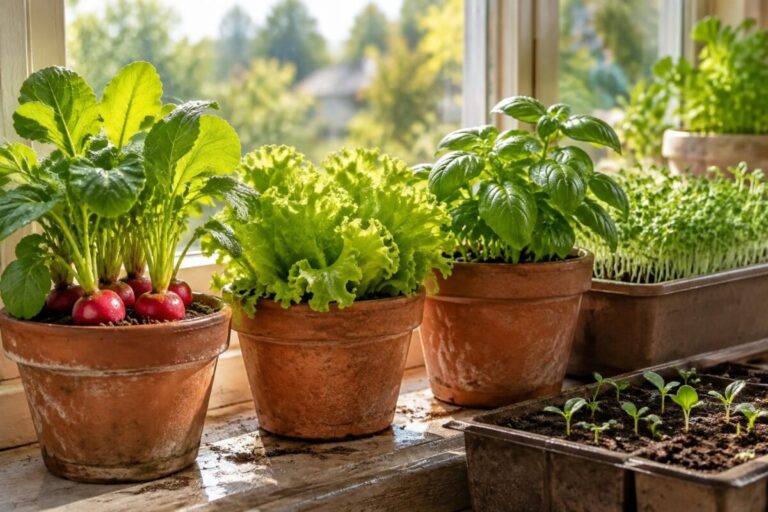
Vegetable garden: radishes or lettuce, what should you sow first?
Hi there, Solan here. In the ground, sow radishes first as soon as the soil is no longer waterlogged; lettuce can follow, or be sown at the same time between the rows. Radishes grow quickly and free up space just when the lettuce needs it. With a few simple steps, you can get your spring vegetables started without waiting for settled warm weather.
Get started right away
- Check that the soil is neither frozen nor waterlogged.
- Loosen the surface and remove any stones that could obstruct the roots.
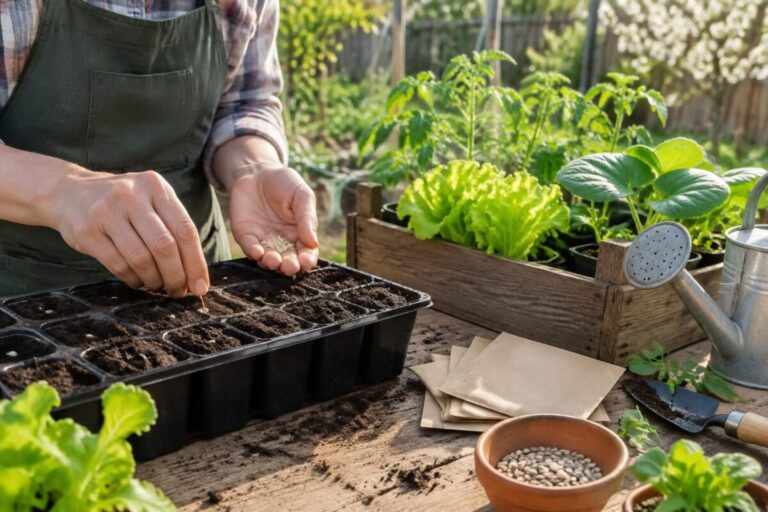
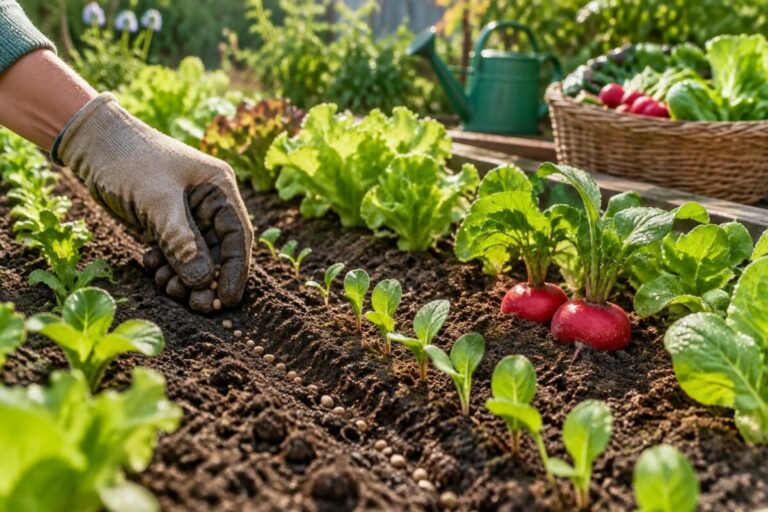
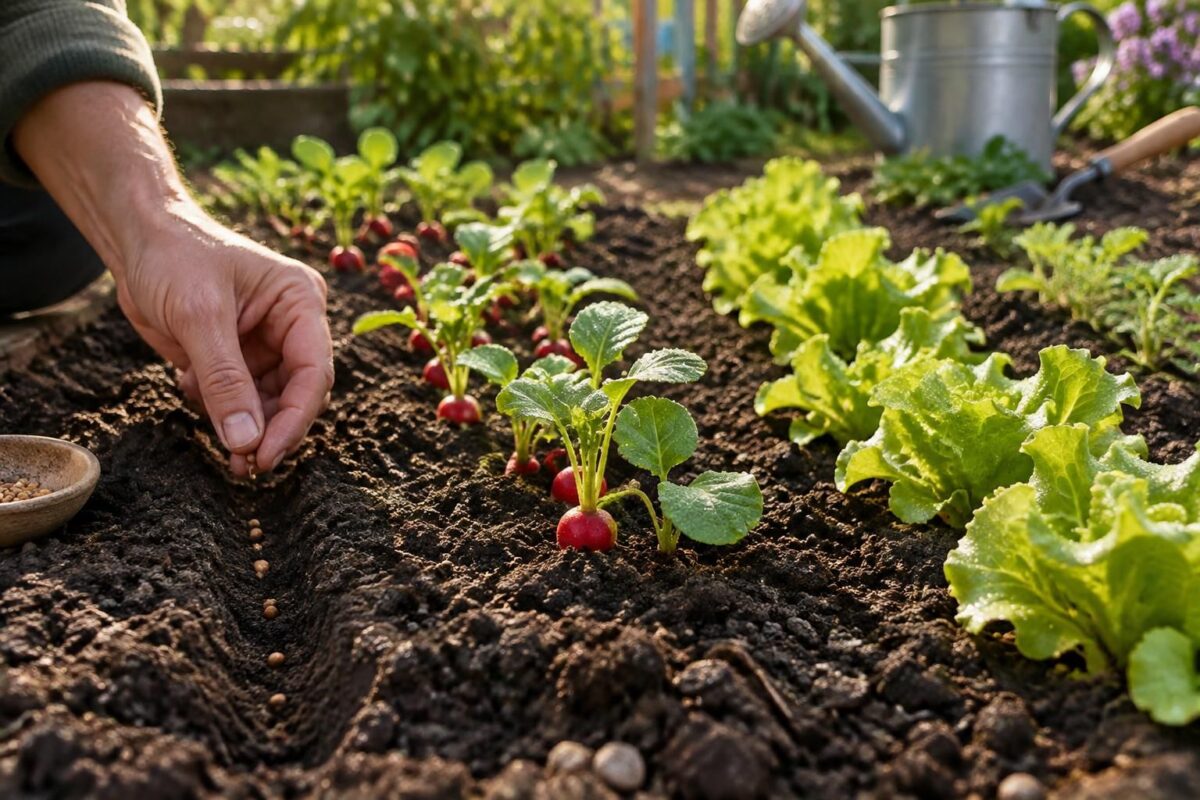
- Sow radishes in shallow rows, a few centimeters apart.
- Add lettuce between the rows if you want to make the most of the space.
- Water gently and keep the soil moist without waterlogging it.
To compare direct-sowing methods and adjust the sowing time to your region, see these tips on sowing radishes and lettuce together and this month-by-month vegetable garden calendar.
Radishes or lettuce: which should you sow first?
If you’re sowing outdoors in early spring, start with radishes as soon as the soil is easy to work and temperatures begin to rise. They germinate quickly and are often ready to harvest in a few weeks, depending on the variety and the weather.
Lettuce also tolerates early sowing, especially under cover or with light protection. In the ground, you can sow it just after the radishes, or grow both crops together: the radishes will be harvested before the lettuce takes up all the space.
A gardener’s saying sums up the idea well: “Sow little and often, harvest often.” Successional sowings mean you won’t have to harvest all your radishes on the same day and keep the bed productive for longer.
Two simple situations to help you decide
If the soil is still cold or heavy, wait a few days and start your lettuce under cover. If the soil is loose and no longer waterlogged, sow radishes and lettuce in the same space, keeping them in separate rows.
Gardening calendar: when to sow radishes and lettuce
Dates vary depending on the region, sun exposure, and soil condition. So the right sowing order depends less on the calendar alone than on the actual conditions in your vegetable garden.
| Crop | Sowing guidelines | Practical tip |
|---|---|---|
| Spring radishes | As soon as the soil is workable and starts to warm up | Sow small amounts every two or three weeks. |
| Lettuce under cover | In late winter or early spring | Ensure it gets enough light and regular ventilation. |
| Lettuce in the ground | In spring, followed by successive sowings | Choose a less sunny spot as the days get warmer. |
Radishes do best in light soil with consistent moisture. Lettuce also needs cool soil, but generally takes longer to fill its space: this difference makes them a very practical combination.
Three steps to growing radishes and lettuce successfully
- Prepare the soil: Break up the surface to a depth of a few centimeters and mix in a little mature compost if the soil is poor. Avoid working waterlogged soil.
- Sow sparingly: Make shallow furrows. Space out the radish seeds, then sow lettuce seeds or plant young lettuce plants alongside them, without crowding.
- Care for and thin the seedlings: Water with a fine spray when the surface dries out. Once the seedlings have emerged, remove any that are too close together so the roots and leaves have room to grow.
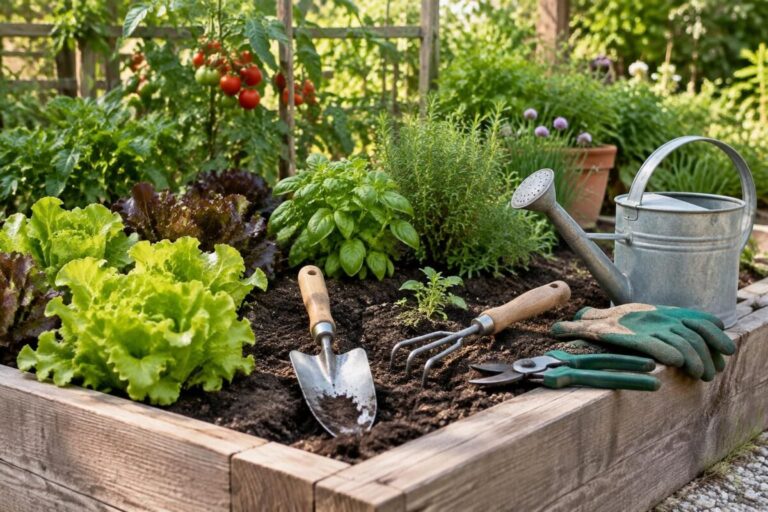
In a small vegetable garden bed, radishes can be grown as a quick crop between two rows of lettuce. Once harvested, they leave the lettuce the space it needs to grow: a great way to make use of every area without complicating crop rotation.
The steps that make a difference to your harvest
- Water regularly to prevent radishes from becoming hollow or too pungent.
- Harvest radishes as soon as they reach a satisfactory size.
- Protect young seedlings from insects with a row cover if necessary.
- Avoid sowing too densely: thinning will be easier and the plants will develop better.
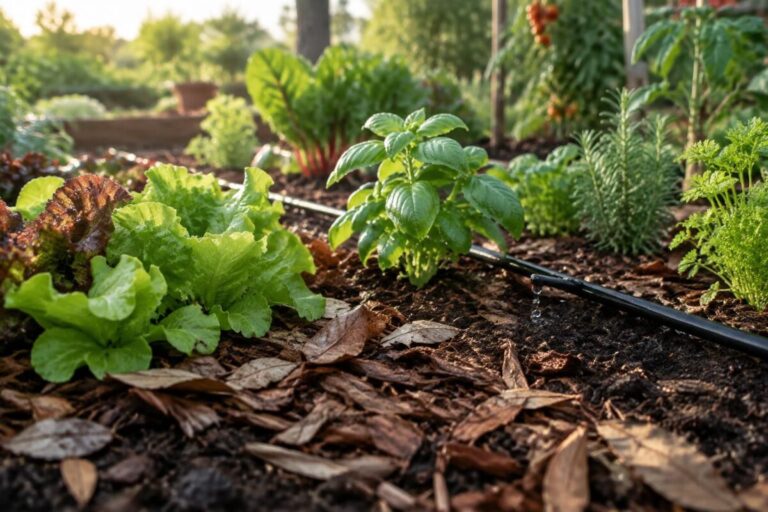
Lettuce growing also benefits from regular watering. In hot weather, a slightly shaded spot helps keep the soil cool and slows bolting.
Mistakes to avoid when sowing
Sowing in waterlogged soil compacts it and can slow germination. Conversely, letting the row dry out after sowing makes germination more difficult: it’s best to water gently and check soil moisture during the first few days.
Also avoid leaving radishes in the ground for too long. An oversized root can become hollow or fibrous. Successional sowings let you harvest at the right stage without ending up with too many at once.
With lettuce, don’t plant it too close to the radishes if the row is narrow. At first, the two crops grow well together, but each plant needs enough space as it grows.
Frequently asked questions about sowing radishes and lettuce
Can you sow radishes and lettuce on the same day?
Yes. Sow them in separate rows or alternate small groups. Radishes are harvested quickly and then free up space for the lettuce.
How long does it take to harvest radishes?
Early varieties can be ready in a few weeks. The time depends on the variety, temperature, and how regularly you water.
Should you thin radishes after they germinate?
Yes, if the seedlings are too close together. Leave a few centimeters between them to encourage well-formed roots and make harvesting easier.
What should you do if the soil is still cold in spring?
Wait until it is no longer waterlogged and is easier to work. You can start lettuce under cover, then sow radishes outdoors when conditions become favorable.
Thanks for reading; Solan