Garden care: what should you sow to avoid major mishaps?
Hi there, Solan here. To avoid major mishaps, start with radishes, lettuce, peas or beans, taking the season, soil depth and moisture into account. These easy-to-grow vegetables are often more forgiving of small mistakes. The best approach: sow a little, observe, and try again if needed.
Things to do right away
- Choose varieties suited to the season and your climate.
- Start with a few rows of radishes, lettuce or peas.
- Prepare loose soil, free of large clumps and weeds.
- Check the sowing depth indicated on the seed packet.
- Water with a fine spray and keep the soil slightly moist.
The choice of seeds and a simple sowing calendar will help you avoid sowing too early or too late. For more information, see this guide to organizing sowing throughout the seasons and these tips on seed depth in the vegetable garden.
What should you sow for an easier start?
Radishes sprout quickly and let you see whether the soil is staying moist enough. Lettuce is well suited to small spaces, while peas and beans provide a generous harvest when sown at the right time.
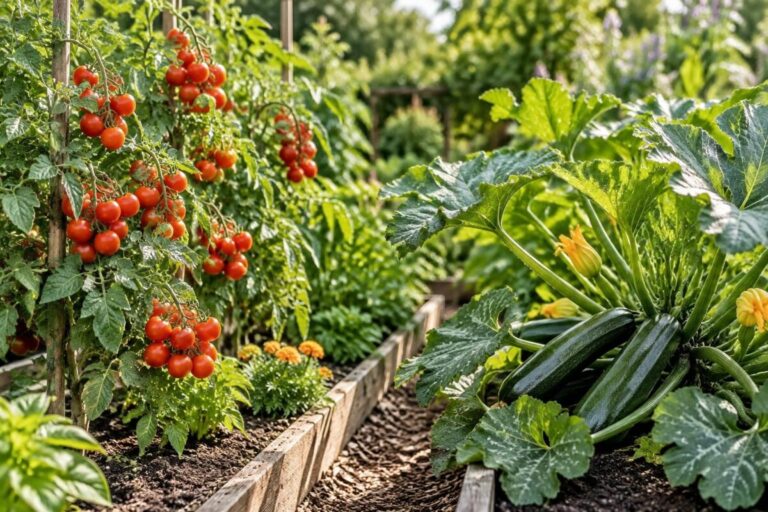
Wait until the nights are mild enough before sowing cold-sensitive vegetables such as beans. Courgettes are also easy to sow, but they need warmth and space, so it’s best not to start them too early.
| Crop | When to sow | What to watch out for |
|---|---|---|
| Radishes | In spring or late summer | Water regularly to prevent the soil from drying out |
| Lettuce | Depending on the variety and season | Sow shallowly and thin the seedlings |
| Peas | When the soil has drained and is easy to work | Provide support for climbing varieties |
| Beans | When the soil has warmed up | Avoid sowing before the last frosts |
If you’re a beginner, choose radishes and lettuce so you can quickly see them sprout. If your garden already gets plenty of sun and the soil is warming up, try a few rows of beans too.
Good practices for reliable sowing
Preparing the soil matters just as much as the seeds. Loosen the surface a few centimetres deep, remove any stones, and water lightly if the soil is dry.
Germination conditions vary by species, but consistent moisture helps most seeds get started. “A well-placed seed gets a head start.” However, avoid soaking the row: standing water can cause seeds to rot.
A novice gardener sowed her radishes too close together in dry soil. By spacing out the seeds and switching to light watering, she got more even germination the next time she sowed.
A three-step method
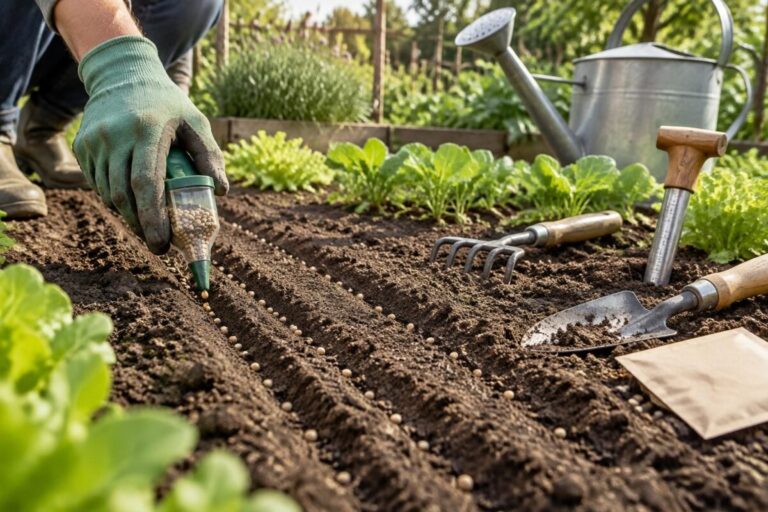
- Step 1: prepare the soil and make shallow furrows, following the instructions for each variety.
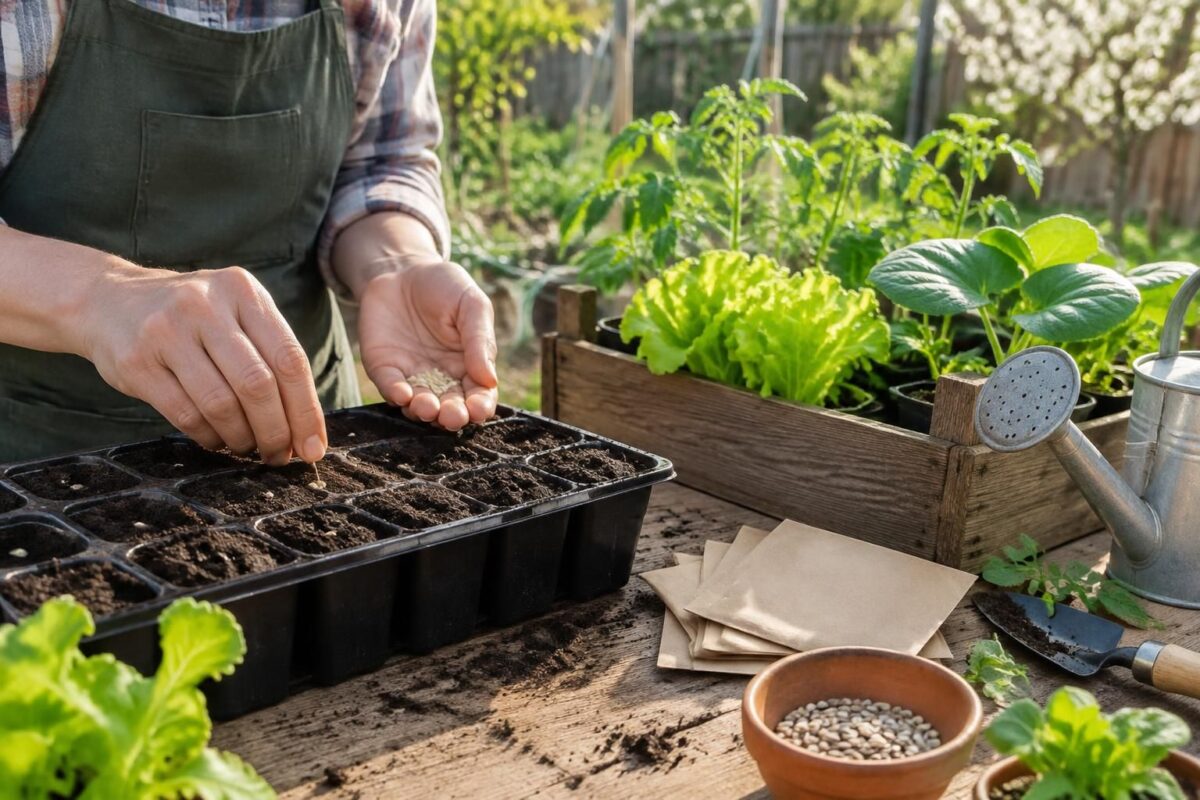
- Step 2: place the seeds at reasonable intervals, cover them lightly if needed, then gently firm the soil.
- Step 3: water with a fine spray, label the row, and monitor the moisture until the seeds sprout.
The most common gardening mistakes are sowing too deeply, overwatering, or trying to fill the whole vegetable garden all at once. A small test row gives you useful guidance before you expand your crops.
Once the shoots appear, thin out any that are too close together and protect the young plants from slugs or strong sun. This protection for young plants can be simple: a lightweight cover, a suitable barrier or regular checks are often enough.
Details that help prevent sowing failures
Don’t rely on a fixed date alone: local weather and soil conditions matter too. If the soil sticks to your tools, wait a little; if the surface is dry, moisten it before sowing.
Follow the depth indicated on the seed packet. As a general rule, fine seeds are barely covered, while larger ones are placed deeper in the soil, depending on the variety.
Finally, note the date and name of each crop you sow. These few words will help you identify what worked well and adjust your next attempts without starting from scratch.
Which vegetables should beginners sow?
Radishes, lettuce, peas and beans are often good choices. Adjust the sowing time to the variety and local climate.
Why aren’t my seeds germinating?
Soil that is too dry, too wet or too cold, as well as sowing too deeply, can slow down or prevent germination. Check the instructions on the packet and keep the soil consistently moist.
Do seedlings need watering every day?
Not necessarily. Check the soil and water gently as soon as the surface starts to dry, without soaking it. How often you need to water depends on the weather and the type of container.
What should I sow in a small garden?
Radishes, lettuce and herbs take up little space. Peas or climbing beans can also work if you provide them with support.
Thanks for reading; Solan