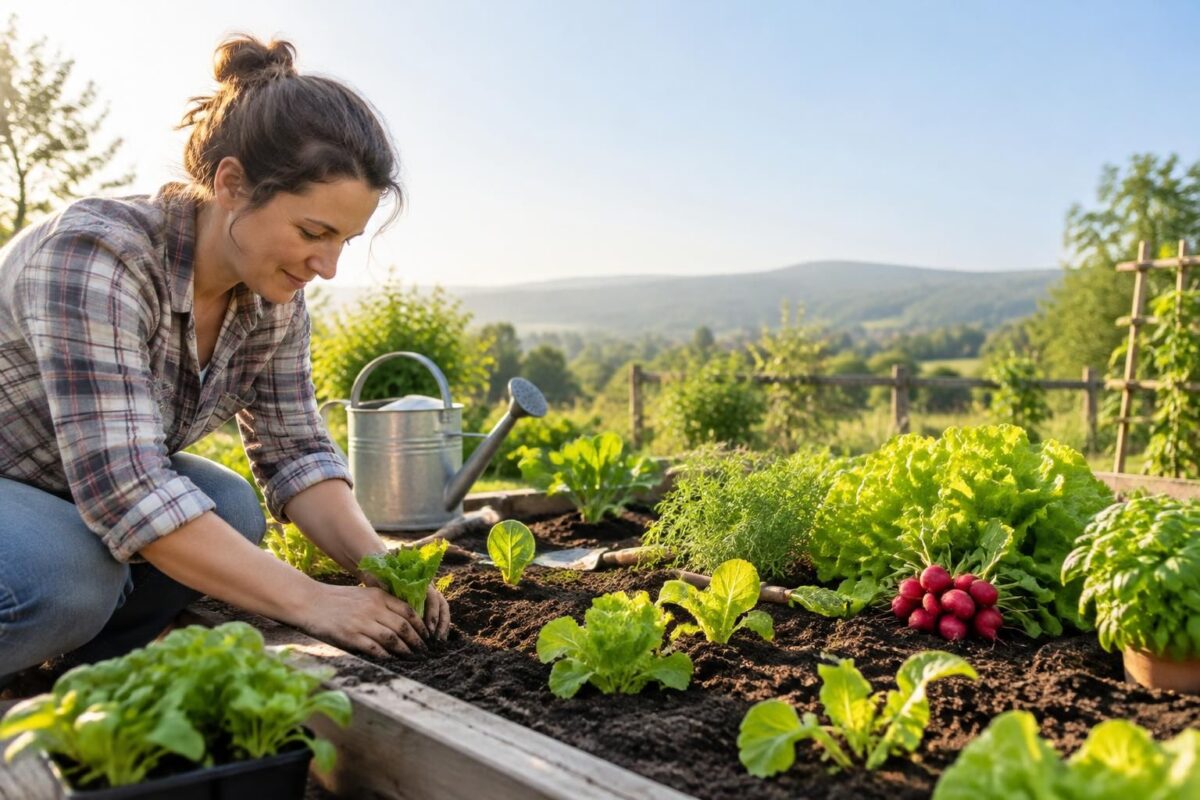
Gardening: What to plant now for a stress-free harvest?
Hi there, it’s Solan. In July, go for green beans, radishes, and lettuce, then get some spinach ready for late summer: these are easy, productive crops to sow in season.
The heat speeds up harvests, but it also dries out the soil quickly. With a few easy-to-grow plants, regular watering, and suitable varieties, you can look forward to a stress-free harvest.
What to do right away
- Sow green beans in rows, in warm, moist soil.
- Choose summer radishes and sow a small amount each week.
- Plant lettuce in partial shade or under light protection from the scorching sun.
- Get your spinach ready for late summer, when temperatures start to drop.
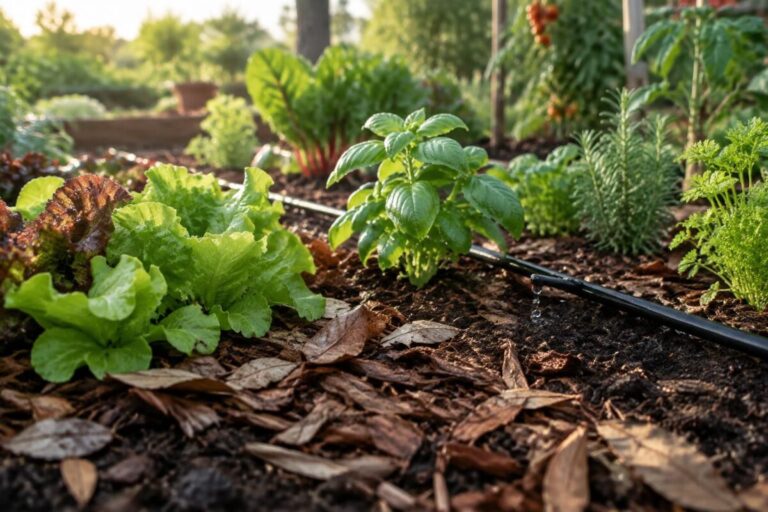
- Water at the base and mulch the soil to limit evaporation and keep young plants cool.
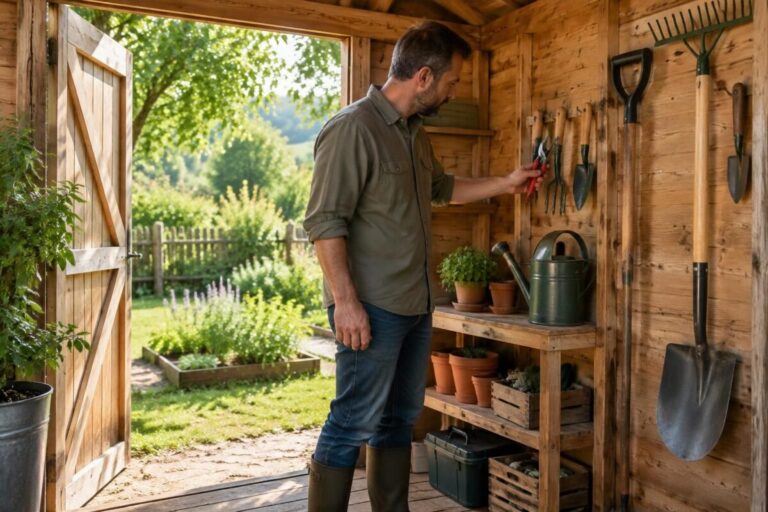
If you’re short on time, you’ll find more ideas for plants suited to a low-maintenance garden. To get equipped without making things complicated, also check out this list of useful tools for getting started in the garden.
Which vegetables should you plant in summer for a quick harvest?
Fast-growing vegetables are handy when you want to see results without waiting for months. Radishes can be ready in about 3 to 6 weeks, while green beans often take 6 to 9 weeks, depending on the variety and conditions.
Lettuce likes cool soil: in midsummer, choose a spot that gets less sun during the hottest hours. Spinach doesn’t do well in intense heat; sowing it a little later or in a shady spot reduces the risk of it bolting quickly.
| Crop | When to sow or plant | Approximate time until harvest | Practical tip |
|---|---|---|---|
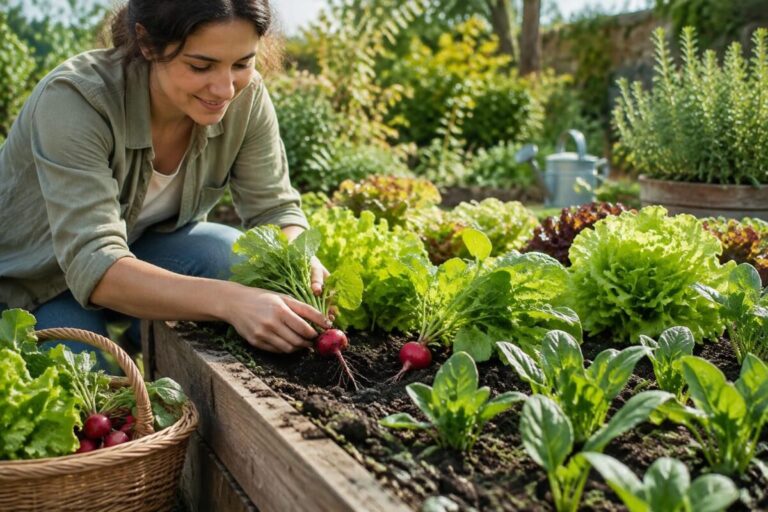
| Summer radishes | In small amounts, regularly | 3 to 6 weeks | Keep the soil moist to stop them from becoming hollow or too spicy. |
| Green beans | In warm soil, until the time suited to your region | 6 to 9 weeks | Water at the base during flowering and pod formation. |
| Lettuce | In a nursery bed or as young plants, protected from strong sun | 4 to 8 weeks, depending on the type | Keep the soil moist without waterlogging it. |
| Spinach | Preferably in late summer, depending on the local climate | 6 to 10 weeks | Choose a cool spot when the days are still hot. |
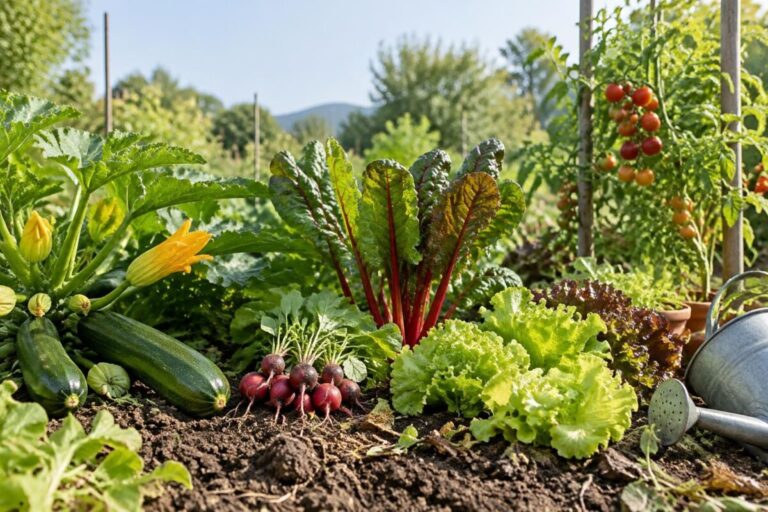
| Zucchini | As a young plant if the growing season is long enough | About 6 to 10 weeks after planting | Make sure there’s enough time for them to produce before the first frosts. |
Adapt your planting to the heat and your region
A successful sowing depends as much on the weather as on the calendar. In the south, the heat can make sowing lettuce and spinach difficult; in a cooler region, the growing window may be wider.
Heat-tolerant plants, such as some varieties of beans or zucchini, cope better with hot days, but they still need water at the right time. For example, Lina, who can only garden on weekends, sows a few rows of radishes and beans rather than a large bed: this spreads out the harvests and limits waste.
The trap of sowing too much
Sowing an entire packet at once may seem efficient, but then all the vegetables ripen at the same time. Radishes, in particular, quickly lose quality if left in the ground too long.
Instead, sow small batches in succession. This easy planting approach lets you adjust quantities to your household’s needs and the space available.
Three steps to get your planting started without stress
- Take a look at the plot. Identify sunny areas, spots that stay cool, and space freed up by previous harvests.
- Sow in small batches. Start with radishes and green beans, then set aside a cooler spot for lettuce and future spinach.
- Maintain your plants regularly. Check the soil moisture, water at the base in the morning or evening, and harvest as soon as the vegetables are ready.
This simple method prevents you from overcrowding the vegetable garden and makes it easier to keep track of your plants. Consistency matters more than an occasional long gardening session.
When should you sow summer vegetables?
Which vegetables should you sow in summer for a quick harvest?
Summer radishes are often ready to harvest in 3 to 6 weeks. Green beans and some types of lettuce also produce relatively quick harvests if the heat and watering are managed well.
Can you still plant zucchini in July?
Yes, if the growing season is long enough before the first frosts. Choose a vigorous young plant and check the variety information as well as the climate in your region.
How can you grow lettuce successfully in hot weather?
Plant it in a spot that gets some light shade during the hottest hours. Keep the soil cool and water at the base without waterlogging it.
When should you sow spinach?
Spinach prefers cool conditions. In hot weather, wait until late summer or choose a shady spot, and follow the variety’s instructions.
I hope you found these tips helpful. See you soon! — Solan