Plants: why do your flowers fall off before they bloom?
Hi everyone, it’s Solan. When flower buds fall before opening, first check watering, temperature changes, and the needs of the species before adding fertilizer. A bud that has already dried out won’t come back to life: the goal is to preserve the remaining buds and help the plant recover. A recent move or change in care may provide a useful clue.
What to do right away:
- Check the soil moisture: neither too dry nor waterlogged
- Place your plant somewhere bright, but without excessive direct sunlight
- Inspect the leaves and stems for signs of insect infestation or disease
- Avoid cold drafts or sudden temperature changes
- Identify the species and hold off on improvised treatments while the cause remains uncertain
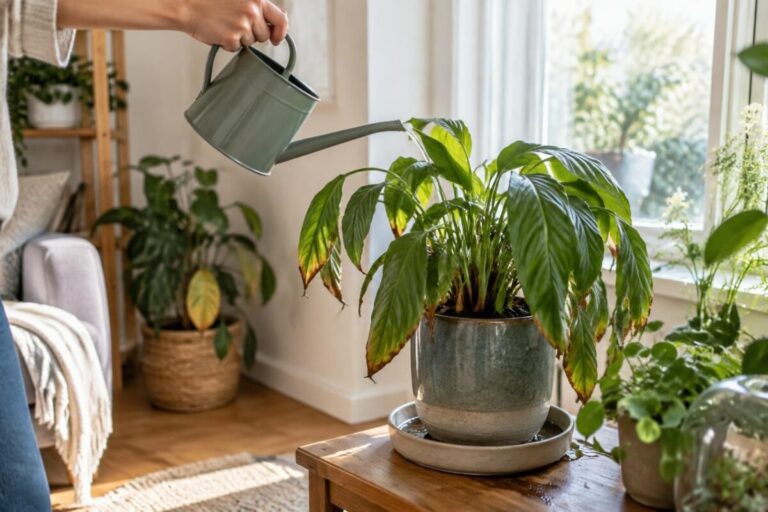
If it’s due to a lack of water, the buds will wilt and fall for lack of hydration. If it’s due to overwatering, root rot sets in, and the plant may die before it even flowers.
A sudden change in temperature can cause buds to drop in some plants. The RHS advice on orchids highlights the sensitivity of Phalaenopsis to cold drafts in particular. Keep them away from an open window in winter or a blast of heat, without moving them repeatedly from one place to another.
Understanding why flowers drop before opening: the key causes
Flowers dropping before they open can have many causes. The plant invests a lot of energy in flowering and cuts it short if conditions aren’t optimal. Insufficient light weakens photosynthesis, preventing flowers from forming normally. Often, the buds remain small and fall off.
Buds dropping doesn’t prove a phosphorus or potassium deficiency. Before fertilizing, check the growing medium, light exposure, and care schedule for the species. Applying too much fertilizer or applying it at the wrong time can make things worse: with camellias, for example, excessive or late fertilization can contribute to bud drop.
How the environment affects flowers that don’t open
Plants react to their environment the way we react to stress: overly intense sun, sudden cold, drying winds, or excess moisture can all cause them to suffer. In high temperatures, they transpire excessively, causing flowers to drop before they mature.
Camellia, orchid, or another plant: timing matters
Camellia buds begin forming at the end of the previous summer: a lack of water at that time may show its effects much later. An orchid that has recently been transported may instead react to a temperature change. Note the plant’s name and when the symptoms appeared before comparing advice intended for different species.
Flower care: prevent bud drop and encourage blooms to open
To counter this flower drop, establish a suitable flower care routine. The secret lies in balancing watering, nutrient supply, and light management.
- Water regularly but moderately, letting the soil dry out slightly between waterings.
- Fertilize only according to the species’ needs, the season, and the recommended dosages.
- Give your plant an ideal spot based on its light requirements: indirect light or full sun, depending on the species.
- Remove dead branches and spent flowers so the plant can direct its energy toward growth.
- Protect your plant from pests by frequently checking for insect infestations or plant diseases.
3 steps to revive drooping buds
- Diagnose: check the soil, light, and temperature, and inspect for pests.
- Adjust the conditions: change your watering routine, adjust the plant’s position for light, and correct the pH if necessary.
- Monitor: watch the buds that are still healthy, and consider treatment only after identifying the pest or disease.
| Common cause | Symptoms | Quick fix |
|---|---|---|
| Lack of water | Drooping buds, wilted leaves | Rehydrate if the root ball is genuinely dry, according to the species’ needs |
| Overwatering | Soft stems, rotten roots | Reduce watering and repot in a well-draining growing medium |
| Temperature problems | Wilted flowers, dropping after temperature stress | Stabilize the environment and protect the plant from wind |
| Nutrient deficiency | Few or no flowers, yellowing leaves | Confirm the cause before changing your fertilizing routine |
| Insect infestation | Spots on leaves, misshapen buds | Use appropriate treatments and clean regularly |
Learn to diagnose symptoms in stressed plants
Yellow foliage, soft stems, or brown buds don’t point to a single cause. Check whether the whole plant is declining or just the buds, then check the moisture in the root ball and how well the water drains. Signs of pests, an unusual smell from the growing medium, or rapid deterioration warrant a more precise diagnosis at a garden center or from a specialist.
To track changes, photograph the buds that are still healthy and note your watering for a few days. Address the problem you observe first, then monitor new growth. Don’t repot, prune, and fertilize all at once without a reason: you would add stress and make it difficult to interpret the results.
Why are my buds falling off before they open?
There are several possible causes: improper watering, a change in temperature, or conditions that don’t suit the species. Identify the plant and check what has changed before adding fertilizer.
How can I tell the difference between underwatering and overwatering?
Dry soil indicates a lack of water, while waterlogged soil and soft stems often signal overwatering. Feeling the growing medium and observing the symptoms are key.
My flowers are falling off despite good light. What should I do?
Check the temperature and look for pests. Even in ideal light, temperature stress or insect infestations can cause buds to drop.
Should I use bloom boosters?
Some products are available, but first focus on providing good overall care. Bloom boosters are secondary and should be used with caution.
Do all flowers open in the same way?
No. Some flowers have specific opening cycles, such as night-blooming flowers, and some may only open partially depending on their genetics.
Thanks for following me; Solan