Vegetable garden: which easy-to-grow crops can really feed a family?
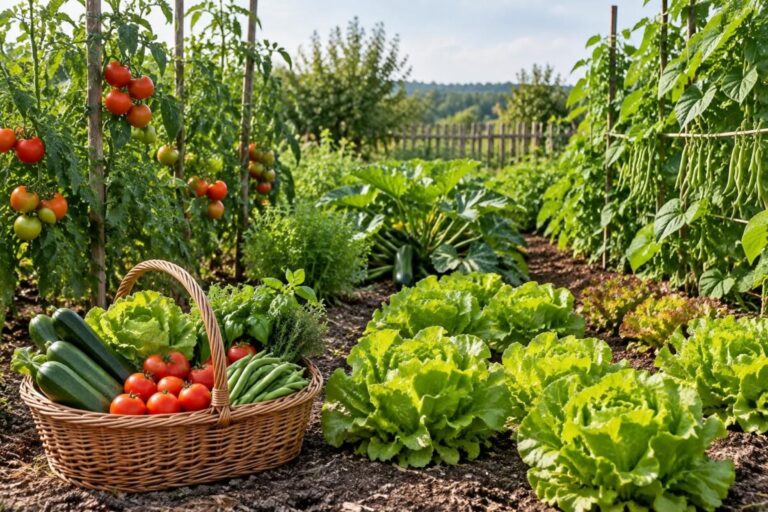
Hello, this is Solan. To feed a family, focus on potatoes, zucchini, beans, and tomatoes, then round things out with salads harvested regularly.
These crops are accessible to beginners and provide useful harvests over several weeks. The right choice depends mainly on the space available, the climate, and eating habits: a vegetable garden supplements grocery shopping, without guaranteeing food self-sufficiency on its own.
Things to do right away
- Set aside a sunny area: aim for at least 6 hours of sunshine a day for crops that need plenty of light.
- Plant potatoes for a filling harvest that is easy to store.
- Plan for one or two zucchini plants: they can produce abundantly throughout the summer.
- Sow beans in several batches to spread out the harvest instead of picking everything at once.
- Plant salads regularly for a quick harvest and to fill empty spaces.
To choose your first crops, also check out this guide to vegetables to plant for a first try and these tips on getting started with the bare essentials. These pointers help you adapt your crops to your space, rather than sowing too many varieties at once.
Easy crops that really fill the basket
A productive family vegetable garden isn’t measured only by the number of different vegetables it grows. Prioritize crops that produce frequently, are easy to eat, and make good use of the available space.
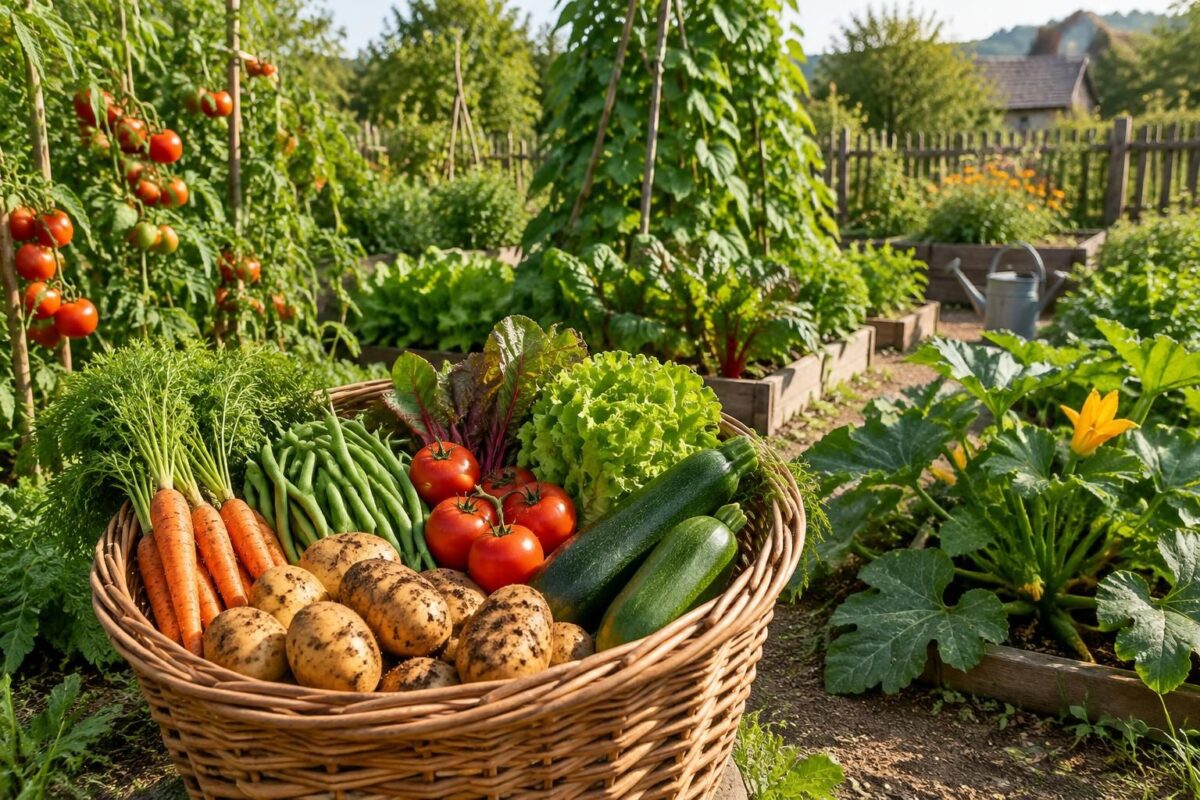
| Crop | Main benefit | Harvest guide | Good to know |
|---|---|---|---|
| Potatoes | Filling and versatile food | About 2 to 4 kg per square meter, depending on conditions | Plan for a cool, dark, well-ventilated storage space. |
| Zucchini | Generous summer production | Often several kilos per plant over the season | One or two plants are often enough for a family. |
| Beans | Easy-to-pick and easy-to-cook harvests | Yields vary depending on the variety and growing method | Climbing varieties make use of vertical space. |
| Tomatoes | Abundant harvest and many uses | A few kilos per plant in good conditions | Choose varieties suited to your region. |
| Salads | Quick, repeatable harvest | A few weeks from sowing to the first leaves, depending on the season | Sow small amounts to avoid having too much at once. |
Productive vegetables, suited to the space available
Zucchini and tomatoes impress with their harvests, but they need water, sunshine, and nutrient-rich soil. Climbing beans, on the other hand, take up less ground space and can grow along a sturdy support.
Yield per square meter isn’t enough to make a decision: a high-yielding crop is useful only if it suits the family’s meals. If zucchini often gets left at the back of the refrigerator, it’s better to dedicate part of the bed to vegetables people actually enjoy.
Combine filling harvests with everyday vegetables
Potatoes provide a filling staple, while tomatoes, beans, and salads add variety to meals. Fresh vegetables alone cannot replace all the energy and protein sources in a family’s diet: the garden complements a varied diet.
For example, a family that often makes soups and oven-baked dishes can prioritize potatoes. A family that eats salads and grilled vegetables will use more tomatoes, beans, and zucchini. The best vegetable garden is one whose harvest ends up on the plate.
Stagger sowings to avoid wasted harvests
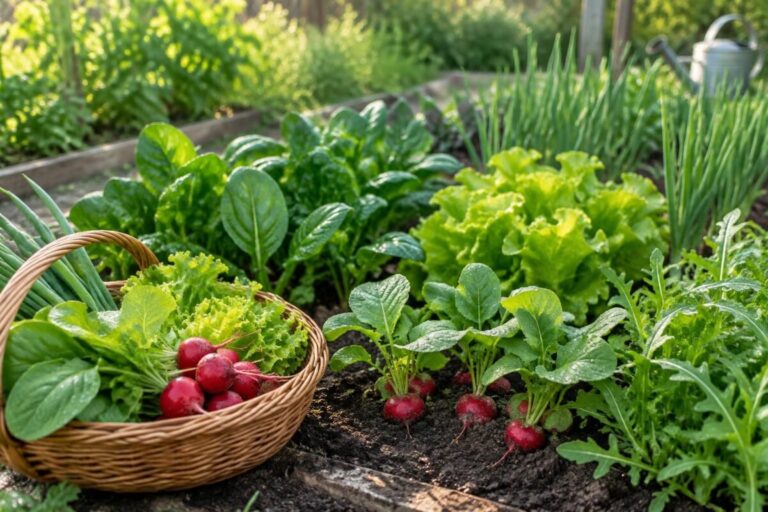
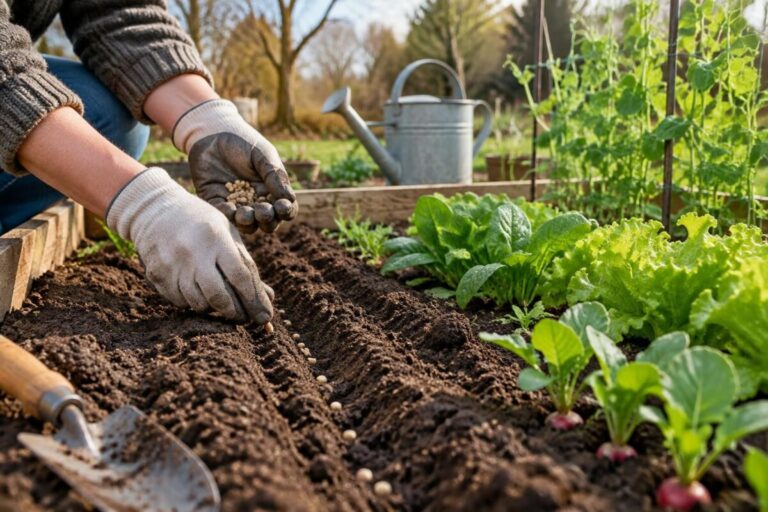
Sowing all your salads on the same day often leads to a huge harvest, followed by nothing. By sowing a short row every two or three weeks, you’ll have leaves to pick over a longer period.
The same approach works for beans, depending on the length of the season and the variety you choose. For tomatoes and zucchini, a few well-tended plants are often more practical than a large number that are hard to water or cook.
Three steps to organize a useful family vegetable garden
- Start with your meals. Make a note of the vegetables your family eats every week, then choose three to five priority crops.
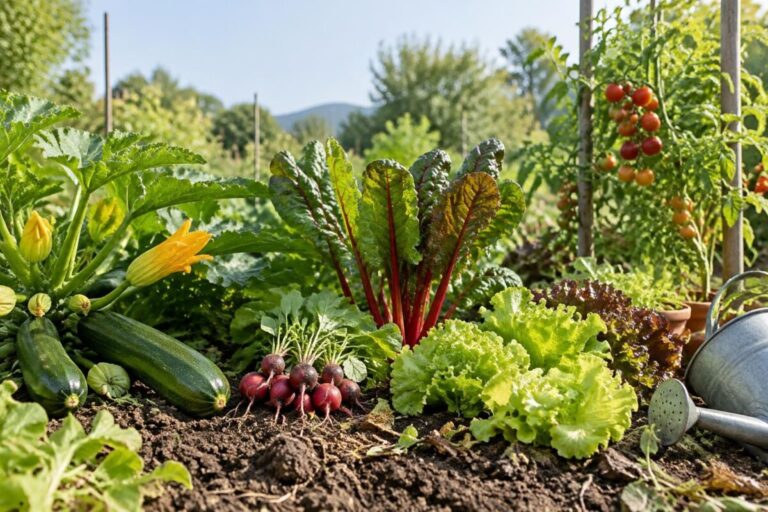
- Allocate crops according to space. Plant potatoes in a dedicated area, zucchini where they can spread out, and beans on a support. Leave a corner for salads sown in successive batches.
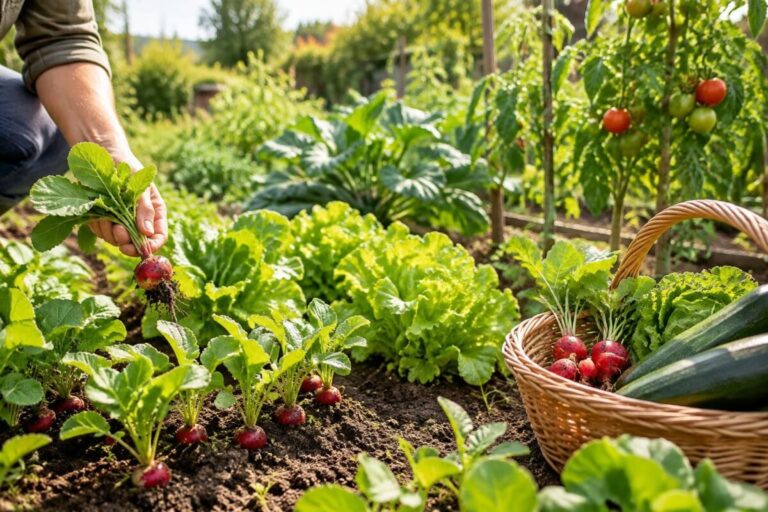
- Harvest and adjust. Pick zucchini while young, harvest beans regularly, and keep track of any surplus. Next season, grow more of the useful crops and cut back on those that go unused.
This method gradually turns the garden into a steady source of vegetables, without trying to grow everything in the first year. Keeping things simple often leads to a bigger harvest than trying too many things.
Which crops should I choose for a first family vegetable garden?
Potatoes, zucchini, beans, tomatoes, and salads are good choices if the climate and sunlight suit them. Start with a few crops your family really enjoys eating.
How many zucchini plants should I plant?
One or two plants are often enough for a family, since each plant can produce many zucchini during the season. The harvest still depends on water, sunshine, and soil quality.
Can you achieve food self-sufficiency with a small vegetable garden?
A small vegetable garden can provide a significant share of your fresh vegetables, but complete food self-sufficiency requires a lot of space, time, and a diverse range of crops. Think of it first as a useful supplement to your grocery shopping.
How can I get regular harvests of salad greens?
Sow small amounts every two or three weeks, taking the season into account. This method spreads out the harvest and limits losses caused by having too much produce at the same time.
Thanks for reading! If this topic resonates with you, share your experience in the comments. — Solan