Gardening tools: what should you prepare before your first sowing?
Hello, it’s Solan. For your first seeds, get together a few reliable tools, clean containers, suitable potting mix and a gentle way to water: there’s no need to fill the whole garden shed.
The right equipment depends mainly on where you’ll be sowing and how many plants you want. A small balcony requires very little; a vegetable garden in the ground also calls for tools to prepare the soil.
What to do right away
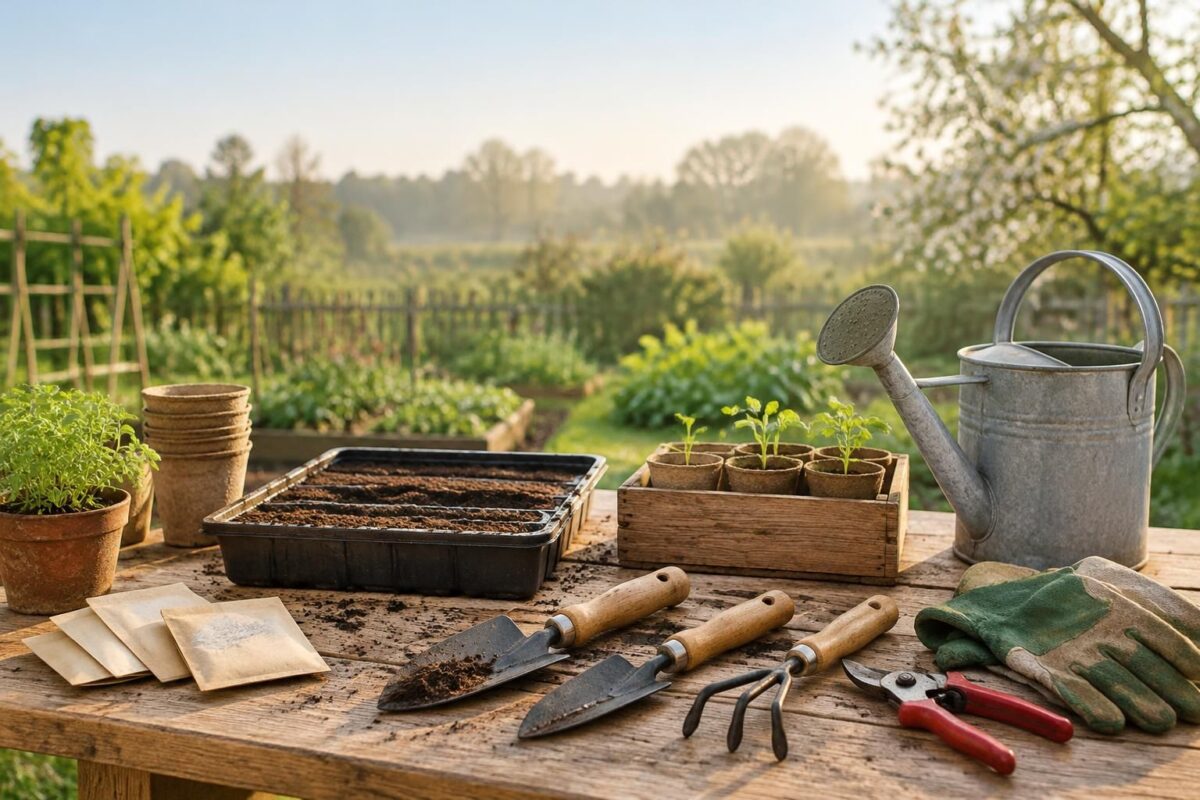
- Choose your containers: a seed tray or a few clean pots is enough to get started.
- Get seed-starting potting mix, fine and light, that lets water drain through.
- Prepare a watering can with a fine rose to moisten the soil without displacing the seeds.
- Add seed labels to note the variety and date.
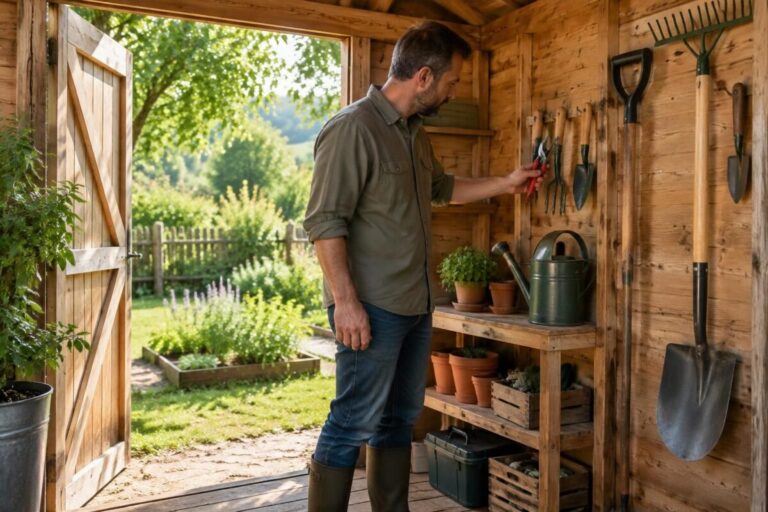
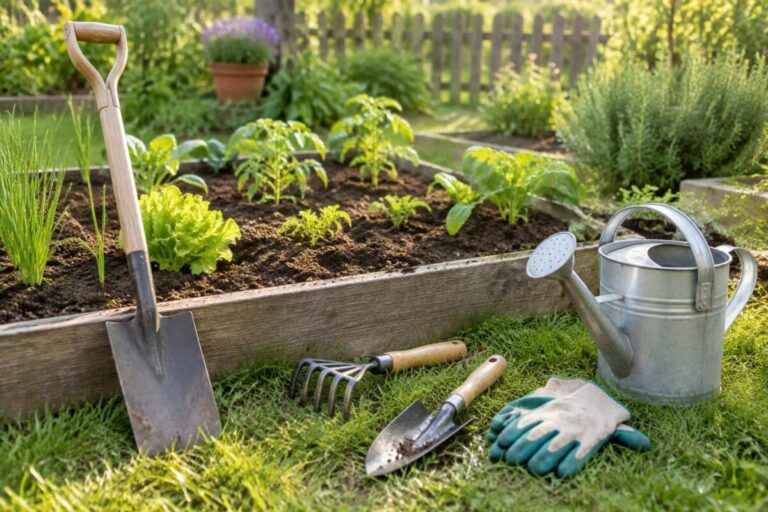
- Gather the basic garden tools: a hand trowel, rake and, if you’re sowing directly in the ground, a hoe or digging fork.
To choose without buying duplicates, compare the basic equipment you need to sow your vegetables with the purchases suited to a small vegetable garden. These guidelines help you prioritize the tools you’ll actually use.
The equipment you need to prepare for sowing depends on your space
On a balcony, a seed tray placed near a window may be enough. In a garden, add tools for loosening and leveling the soil before sowing outdoors.
A mini greenhouse is handy for maintaining consistent humidity and protecting young shoots from drafts. It’s optional, though: a bright spot and careful watering can work just as well.
| Need | Useful equipment | Keep in mind |
|---|---|---|
| Sowing indoors | Pots or a seed tray, seed-starting potting mix, labels | Clean the containers before use. |
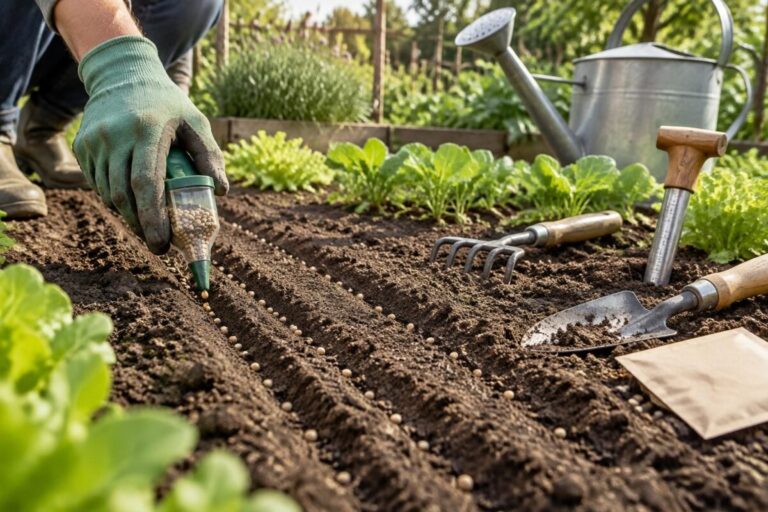
| Sowing directly in the ground | Digging fork, rake, garden line | A fine, level surface makes sowing easier. |
| Protecting young plants | Mini greenhouse or cloche tunnel | Make sure it’s ventilated to prevent excess humidity. |
| Watering gently | Watering can fitted with a fine rose | Moisten the soil without digging it up or dislodging the seeds. |
Avoid the trap of buying too much equipment
At first, it’s understandable to want to buy a complete kit. But a pair of pruning shears or a large growing tray isn’t a priority if you’re only starting a few seeds in pots.
When preparing a vegetable bed, a digging fork helps loosen the soil without turning it over deeply. A rake then smooths the surface; a hoe and a hand cultivator are mainly useful for maintenance and weeding.
Equipment that can grow with you and a budget you can manage
There’s no need to buy everything on the same day. Start with containers, potting mix, labels and a watering can; add more later depending on what you grow and how much space you have.
Raised beds can make maintenance easier, but check their depth: around 20 cm is suitable for several leafy vegetables, while root vegetables often need a deeper layer, around 40 cm. Prices vary depending on size and materials; buying secondhand and swapping with neighbors can also help you get set up for less.
Three steps to get your first seeds started
- Prepare your equipment. Wash the pots or tray, fill them with seed-starting potting mix and lightly moisten the growing medium.
- Sow and label. Follow the depth indicated on the packet, then write the variety name and date on a label.
- Monitor moisture. Water with the fine rose, place the containers in a suitable spot and ventilate the mini greenhouse if condensation builds up.
The soil should neither dry out completely nor stay waterlogged. This regular attention, far more than the number of gardening tools you own, gives seeds the right conditions to germinate.
What tools do you need to get started with sowing seeds?
For sowing in containers, start with a clean tray or pots, seed-starting potting mix, labels and a watering can with a fine rose. For sowing directly in the ground, add a rake and a digging fork or hoe.
Is a mini greenhouse essential?
No. It helps maintain consistent humidity and protect seedlings, but you can get started without a mini greenhouse by choosing a bright spot and keeping an eye on watering.
Can you reuse pots?
Yes, if they’re in good condition. Clean them thoroughly before reusing them to reduce the risk of disease and mold.
What kind of watering can should you use for seedlings?
A small watering can fitted with a fine rose lets you distribute water gently. Choose a capacity you can handle comfortably, often around 5 liters for a small space.
Thanks for reading! If this topic resonates with you, share your experience in the comments. — Solan