Garden care: what should you choose for an easy-to-maintain vegetable garden?
Hello, this is Solan. For an easy vegetable garden, choose a few low-maintenance vegetables, water appropriately, use natural mulch, and provide regular but light care.
There’s no need to grow lots of crops or use lots of products: a few good choices are enough to get started. The secret to caring for a vegetable garden is mostly to tend to it regularly, without making things complicated.
Essential steps for an easy vegetable garden
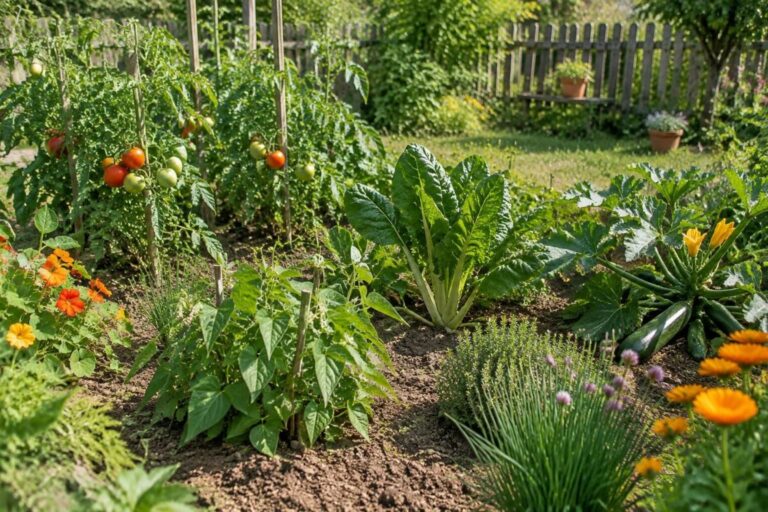
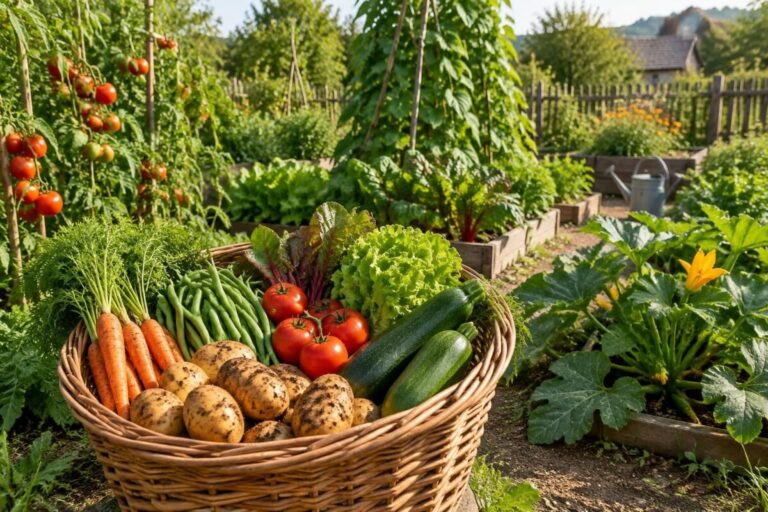
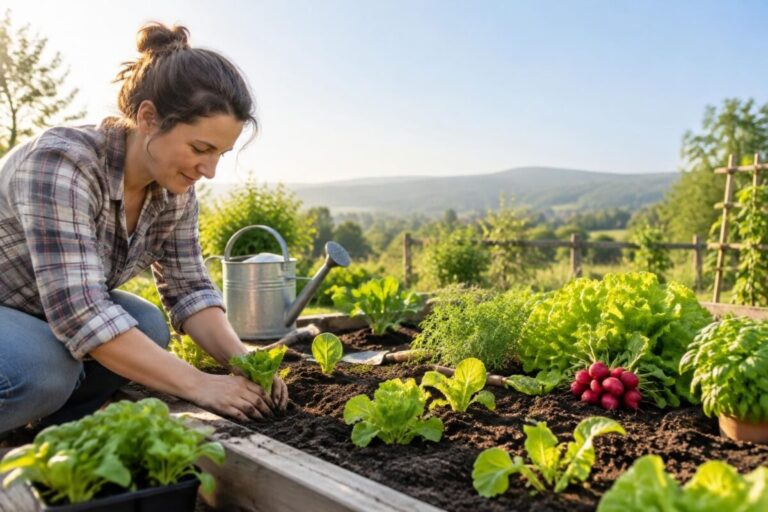
- Choose 3 to 5 easy-to-grow plants, such as radishes, lettuce, zucchini, or beans.
- Set up the vegetable garden in a sunny spot, preferably near a water source.
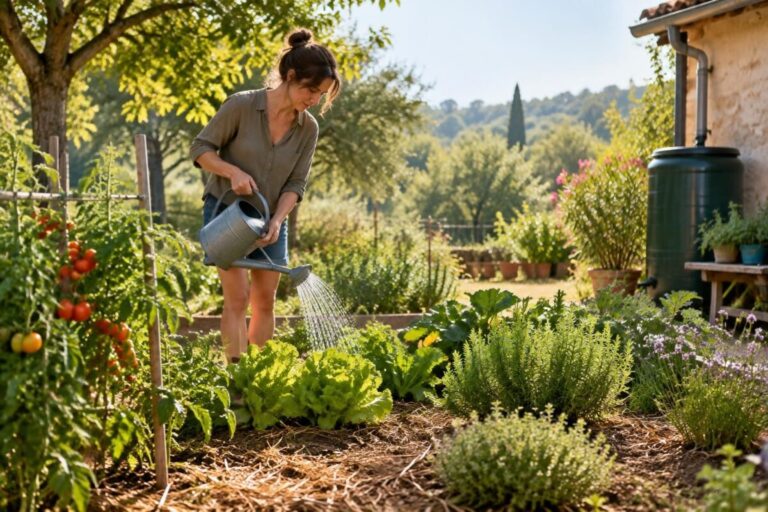
- Water at the base when the soil starts to dry out, rather than wetting the leaves.
- Add natural mulch made from dead leaves or straw to reduce evaporation and weeding.
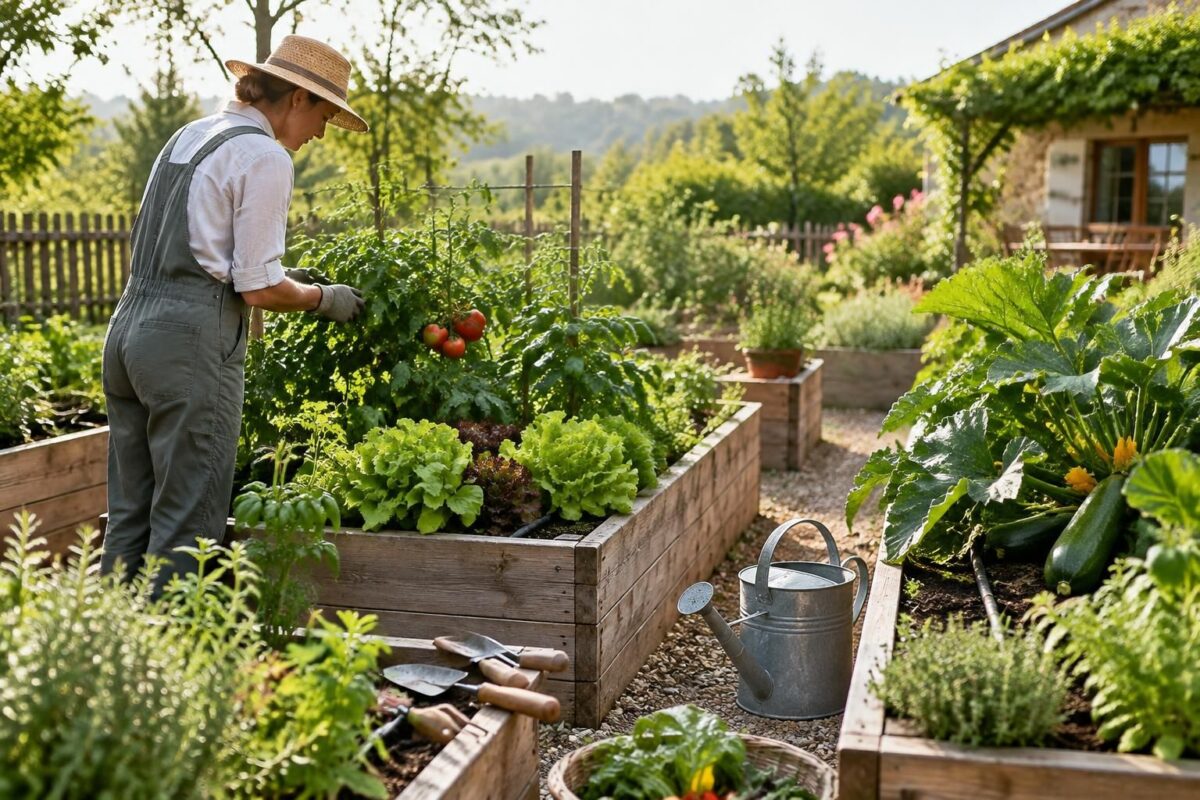
- Keep a few useful gardening tools on hand: a watering can, a small hand cultivator, and a trowel are often enough.
To choose suitable crops, consult this guide to easy vegetables for beginners, then compare the needs of your space with these tips on useful tools for a small vegetable garden.
If you’re new to gardening or short on time
If you’re new to gardening, start with quick-growing crops that are easy to observe, such as radishes and lettuce. They help you get into a routine without requiring much equipment.
If you have little time, choose productive vegetables and cover the soil. A layer of mulch a few centimeters thick suppresses unwanted weeds and helps retain moisture, especially during hot periods.
Composting also lets you make use of kitchen peelings and garden plant waste. Once mature, compost adds organic matter to the soil; a natural fertilizer can supplement it if the crops need it.
Choose crops to suit your needs
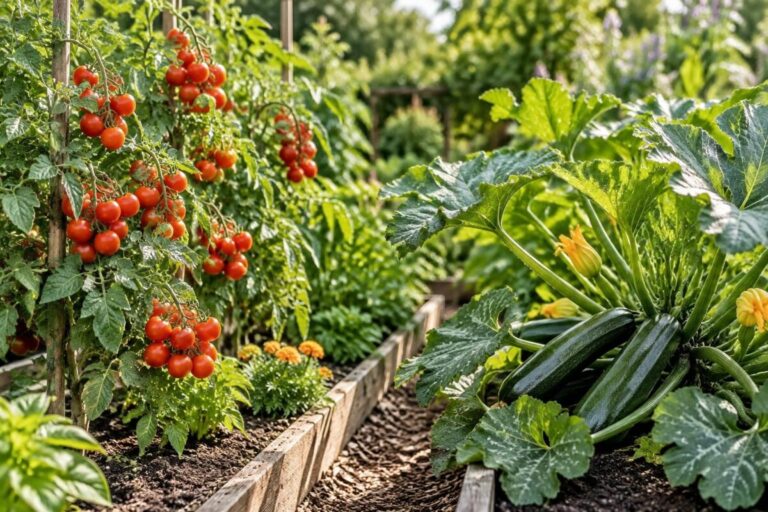
A small family can grow a few tomato or zucchini plants alongside lettuce and radishes. Anyone who mainly wants to minimize upkeep can start with beans and squash, making sure to give them enough room.
Crop rotation means avoiding growing the same vegetable family in the same spot every year. On a small scale, simply note what grew in each planter or garden bed so you can vary the locations next season.
| Crop | Benefit for beginners | What to watch for |
|---|---|---|
| Radishes | Quick harvest | Keep the soil slightly moist |
| Lettuce | Easy to harvest as needed | Protect from intense sunlight |
| Zucchini | Generous yields | Allow enough space and water |
| Beans | Easy, productive crop | Provide support for climbing varieties |
Care for your vegetable garden without spending hours on it
A quick, regular check is better than a long catch-up session. In five to ten minutes, you can check the soil moisture, pull a few weeds, and spot a damaged leaf.
Avoid the common mistake of watering a little every day without checking the soil. Push a finger two or three centimeters into the soil: if it’s still cool and moist, wait; if it’s dry, water slowly at the base of the plants.
A simple three-step routine
- Check the soil and plants. Look for dry areas, yellowing leaves, and weeds that are starting to take hold.
- Water and weed at the right time. Tend the garden preferably in the morning or late in the day, then pull young weeds before they take root.
- Feed your plants and record your results. Add mature compost when the soil needs it, and note which crops grew in each spot to plan your crop rotation.
Camille, for example, starts with two planters: radishes and lettuce in one, beans in the other. Mulch reduces the need for watering, and a few notes about her harvests help her adjust her choices without turning gardening into a chore.
Practical questions about caring for a vegetable garden
Which vegetables should I choose for my first vegetable garden?
Radishes, lettuce, beans, and zucchini are good choices for beginners. Choose crops based on sunlight, available space, and how much time you can devote to their care.
How often should I water a vegetable garden?
How often you water depends on the weather, the soil, and the crops. Check the soil a few centimeters down and water when it starts to dry out, preferably at the base of the plants.
Is mulch useful in a small vegetable garden?
Yes. Natural mulch reduces evaporation, suppresses unwanted weeds, and protects the soil. Leave a little space around the stems to avoid keeping them constantly damp.
Should I add natural fertilizer from the start?
Not necessarily. Soil enriched with mature compost may be enough for many crops; observe the plants and adjust what you add to suit their needs.
I hope you found these tips helpful. See you soon! — Solan