Plants: Which Ones Grow Quickly to Keep You Motivated?
Hello, Solan here.
To stay motivated, go for watercress, radishes, arugula, and lettuce: they produce visible results in just a few days to a few weeks.
Seeing the first sprouts encourages you to keep going, especially when you’re just starting out or gardening in a small space. The secret: choose fast-growing plants that suit the season and are easy to harvest.
Things to do right away
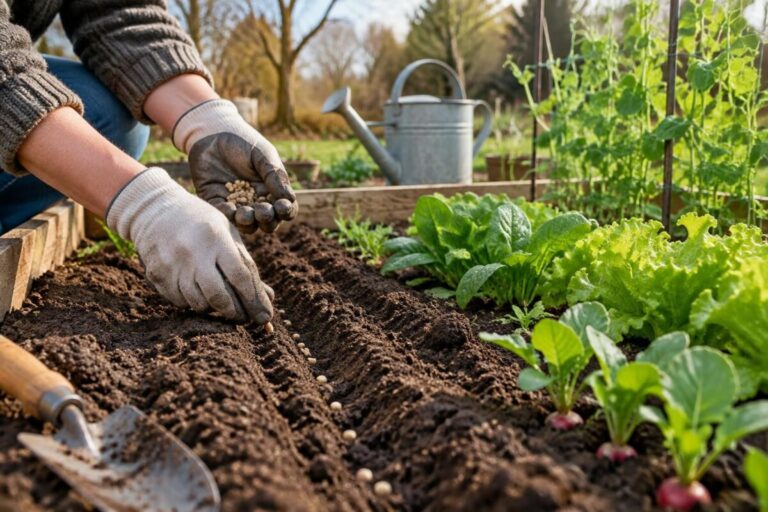
- Sow watercress in a pot to see it germinate quickly, often within a few days.
- Plan to grow radishes in the ground or in a planter at least 15 cm deep.
- Choose arugula or cut-and-come-again lettuce so you can harvest leaves one at a time.
- Soak dwarf bean seeds for a few hours before sowing to help them get started.
- Place basil somewhere bright and warm, protected from the cold.
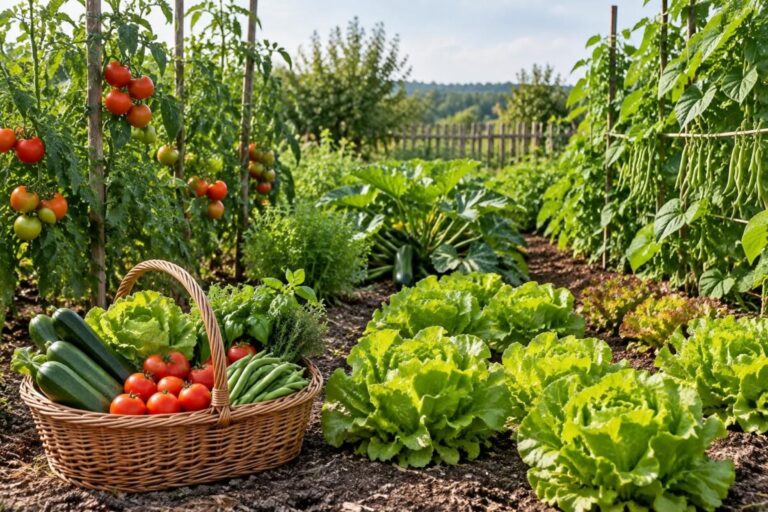
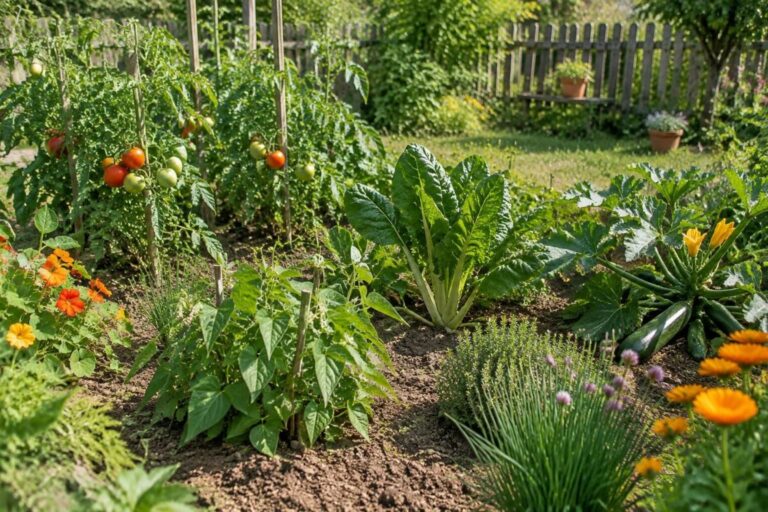
To avoid disappointment, also see how to choose between a quick harvest and a productive vegetable garden and where to place your plants to give them the right conditions.
Which fast-growing plants should you choose?
Growing times vary depending on warmth, light, and watering. For comparison, distinguish between the time to germination — when the first sprouts appear — and the time until harvest.
| Plant | First sprouts | Harvest or visible results |
|---|---|---|
| Watercress | About 2 to 5 days | About 1 to 2 weeks |
| Radishes | About 3 to 7 days | About 3 to 5 weeks |
| Arugula | About 4 to 8 days | About 3 to 5 weeks |
| Cut-and-come-again lettuce | About 4 to 10 days | A few leaves after 3 to 5 weeks |
| Dwarf beans | About 5 to 10 days | About 7 to 9 weeks |
| Basil | About 5 to 10 days | Leaves ready to pick after 4 to 6 weeks |
These times are approximate: cool soil slows down seeds that like warmth, while regular watering helps young sprouts get established. For something quick to nibble on, watercress is the fastest; for filling a plate, radishes and lettuce leaves are good choices.
Quick harvests or flowers to watch grow
If you’d rather watch a plant grow than harvest leaves, consider sunflowers and nasturtiums. Sunflowers generally bloom in 8 to 12 weeks, while nasturtiums produce flowers after several weeks, depending on the variety and conditions.
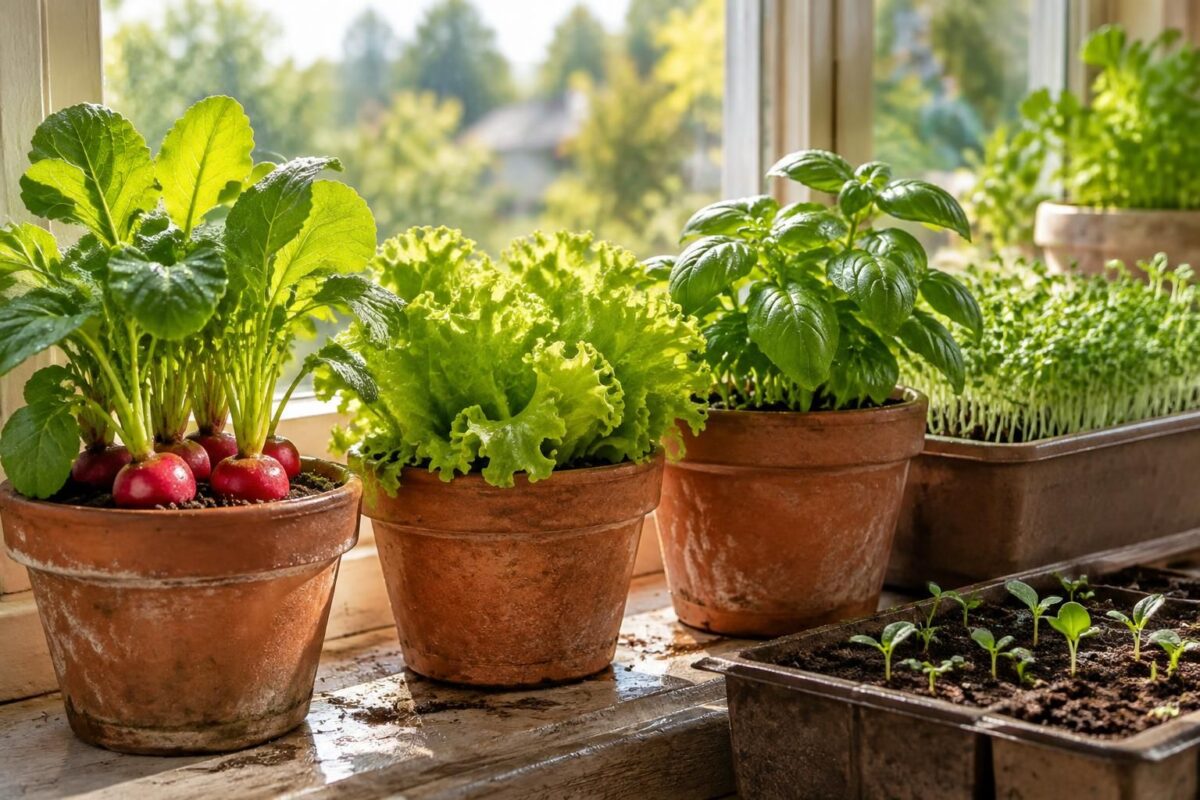
A simple example: on a sunny windowsill, a planter of arugula and radishes shows signs of life quickly, while a sunflower grows in a deep pot. That way, you can enjoy a small harvest and watch visible changes from day to day.
The right choice for your space and goals
On a windowsill, watercress grows easily in a shallow container with moist growing medium. On a balcony, radishes, cut-and-come-again lettuce, and arugula provide more harvests if you pick only some of the leaves.
Dwarf beans need more space and warmth, but their pods make growing them rewarding. Basil, meanwhile, lets you pick a few leaves as you need them, as long as it gets enough light and you don’t let its potting soil dry out completely.
Avoid sowing seeds too close together
Sowing lots of seeds in a small pot may seem like a way to get results faster, but the seedlings quickly start competing with one another. They then lack light, water, and space, which can slow their growth.
Instead, sow small amounts, then sow again a week or two later. This method spreads out the harvests and keeps you from having all your arugula or radishes ready at the same time.
Three steps to see the first sprouts
- Choose two crops. Pair a very fast-growing plant, such as watercress, with one that takes a little longer to harvest, such as radishes.
- Prepare for sowing. Use a container with drainage holes, light potting soil, and the sowing depth indicated on the seed packet.
- Check on them every day. Keep the potting soil slightly moist and place the pots in light suited to the plant.
For your first try, note the sowing date and the day the sprouts appear. This simple record will help you adjust future sowings, so you won’t get discouraged if conditions slow germination down a little.
Practical questions about fast-growing plants
Which plant grows fastest for a beginner?
Watercress is a very fast-growing choice: seeds can sprout within a few days, and the young shoots are often ready to harvest in one to two weeks.
How long does it take to harvest radishes?
It generally takes three to five weeks after sowing, depending on the variety, temperature, and soil moisture.
Can you grow lettuce in a pot?
Yes. A planter with drainage holes works well. Cut-and-come-again varieties let you pick a few leaves while allowing the plant to keep growing.
Why aren’t my seeds germinating quickly?
Soil that is too cold, too dry, or waterlogged can slow germination. Check the variety’s requirements and keep the growing medium moist without saturating it with water.
Thanks for reading! If this topic resonates with you, share your experience in the comments. — Solan