Plants: Which ones grow well without perfect soil?
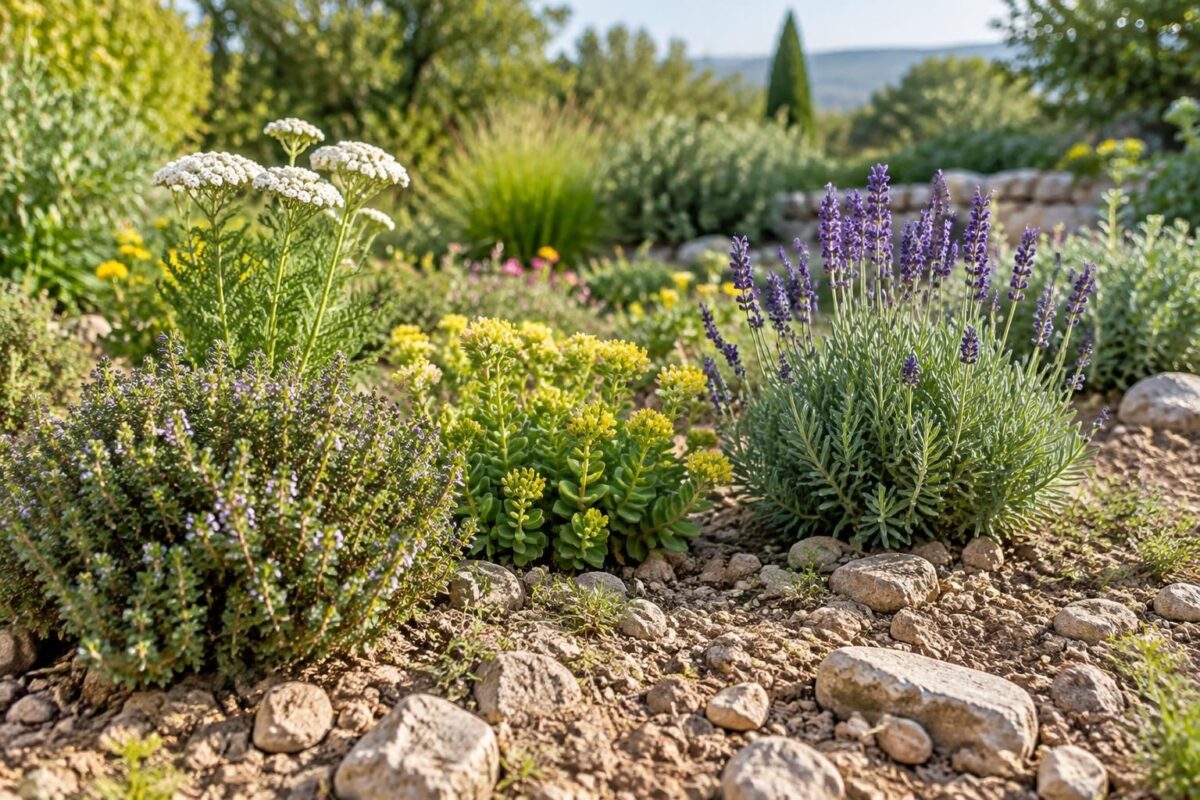
Hello there, Solan here. Lavender, thyme, sedums and ornamental grasses often grow very well in poor, shallow or dry soil. Choose hardy plants suited to the light conditions in your space and opt for a growing medium that drains well. Even a challenging plot can become welcoming with a few simple steps and low-maintenance plants.
Things to do right away
- Identify the sunny areas and those that remain in the shade.
- Choose plants suited to the depth of your containers or plot.
- Ensure good drainage to prevent water from pooling.
- Water young plants regularly, then reduce watering once they are established.
- Combine foliage, flowers and ground-cover plants to dress up the space.
To explore other options for hardy plants, you can consult this guide to plants that need little soil and this selection of flowers for poor soil.
Which plants should you choose for a challenging plot?
The right choice depends mainly on sunlight, drainage and the depth available. Succulents such as sedum and hens-and-chicks often need just a few centimeters of growing medium, while lavender prefers a deeper container and a bright position.
For an herb corner, thyme and sage provide fragrance without needing rich soil. Blue fescue adds a decorative touch, while coneflower and yarrow produce flowers that pollinators love. These perennials generally return for several seasons if their growing conditions suit them.
| Plant | Approximate depth | Main benefit |
|---|---|---|
| Sedum | 5 to 15 cm | Withstands lack of water well |
| Hens-and-chicks | About 10 cm | Suitable for rocky surfaces |
| Thyme | 15 to 25 cm | Aromatic and compact |
| Blue fescue | 15 to 20 cm | Decorative foliage year-round |
| Lavender | 20 to 30 cm | Fragrant flowers rich in nectar |
Succulents for dry soil
Sedum and hens-and-chicks store water in their leaves. They establish easily in a rock garden, trough or shallow planter, as long as water does not collect at the bottom.
A balcony planter can therefore hold a carpet of sedum dotted with hens-and-chicks. “Good drainage is often more important than rich soil,” especially for these plants, which do not tolerate persistent moisture well.
Easy-care Mediterranean herbs
Lavender, rosemary, thyme and sage thrive in sunlight and well-drained soil. Once established, these species often tolerate dry spells and need little fertilizer.
In a container, avoid planting them close to plants that need frequent watering. This simple choice reduces the risk of overly damp roots and makes gardening easy.
Creating a space with little soil
In a container, first check that it has drainage holes. Use a light potting mix, perhaps mixed with coarse sand or a drainage material, and avoid compacting the growing medium too much.
One anecdote sums up the idea: on a sunny balcony, a formerly empty planter came to life with thyme, a few sedums and a fescue. The secret was not to add lots of fertilizer, but to choose species suited to the location.
Three steps to successful planting
- Step 1: Observe the sunlight over the course of a day and measure the available depth.
- Step 2: Select plants suited to these conditions, then prepare a light, well-draining growing medium.
- Step 3: Water when planting, monitor moisture for the first few weeks, and then adjust according to the weather.
If your space gets a lot of sun, go for sedum, thyme and lavender. If your soil stays wet or gets little sun, improve the drainage first and choose species suited to those conditions.
Grasses such as blue fescue add movement without requiring much care. Along the edges, ground-cover plants reduce bare patches of soil and can help suppress unwanted weeds.
Which plants grow in very poor soil?
Sedum, hens-and-chicks, thyme, lavender and blue fescue often tolerate poor soil, provided that water drains away properly.
How much depth should I allow?
Depending on the plant and container, allow about 5 to 30 cm of growing medium. Succulents often manage with the lower end of this range, while lavender prefers greater depth.
Should I enrich poor soil with lots of compost?
Not necessarily. A moderate amount of mature compost can help some plantings, but Mediterranean species and succulents often prefer light, well-drained soil.
Can these plants be grown in pots?
Yes. Choose a container with drainage holes that is deep enough for the roots, and empty any standing water after watering or heavy rain.
Thanks for reading; Solan