Gardening: what should you plant when you’re a complete beginner on your own?
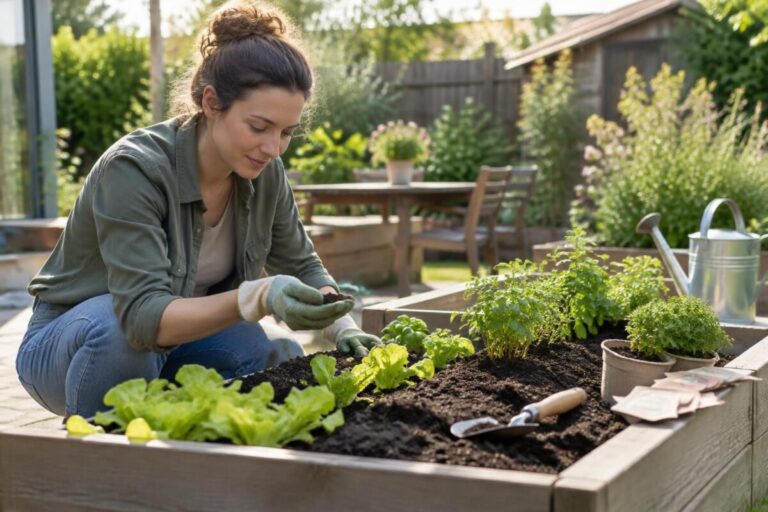
Hi, Solan here. To get started on your own, plant radishes, lettuce, dwarf beans, and a cherry tomato in a small sunny spot or a container garden.
These choices grow without needing complicated care and let you see the first results quickly.
Start with just a few varieties: you’ll learn to observe their pace without getting overwhelmed.
Your first plantings don’t have to be perfect to be successful.
Things to do right away
- Choose a spot that gets about 5 to 6 hours of sun a day, depending on the season and exposure.
- Prepare a small plot or two large containers that are easy to water and keep an eye on.
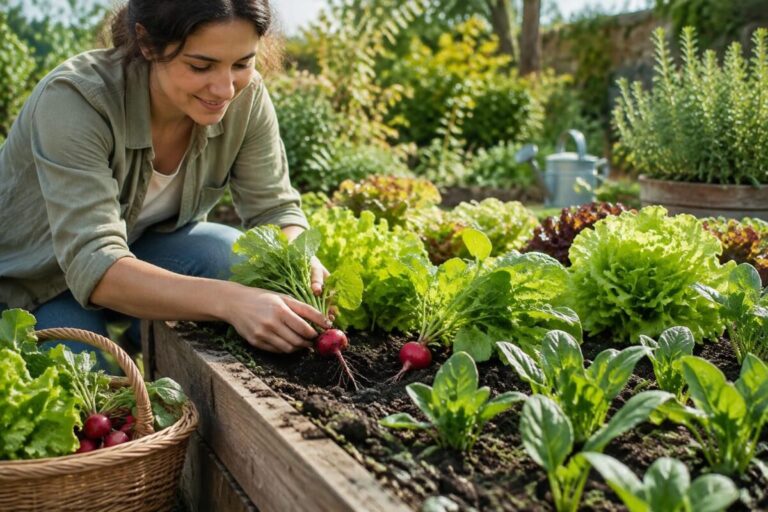
- Sow radishes and lettuce: they are easy to grow from seed and you can see them grow quickly.
- Add a cherry tomato plant and a few herbs if you have enough light.
- Keep the soil moist, water at the base of the plants, and note the dates in a small planting calendar.
To choose vegetables suited to your space, you can consult this guide to easy-to-grow vegetables and these tips for starting a vegetable garden.
Which easy-to-grow vegetables should you choose to get started?
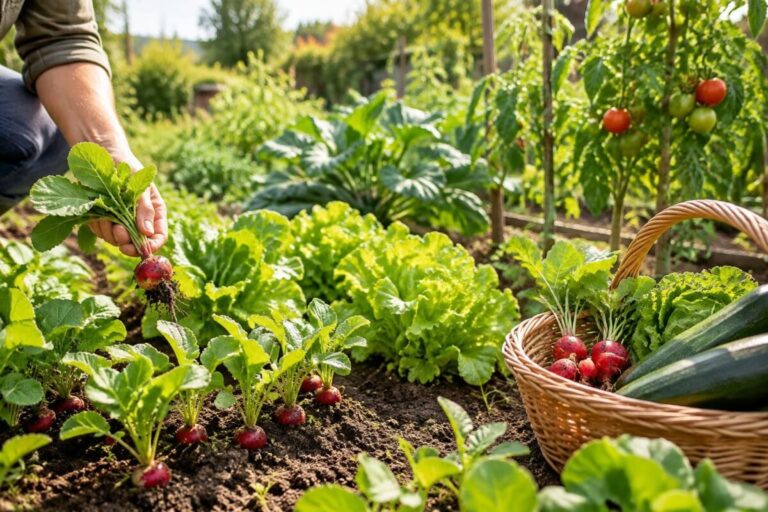
The best choices are those that can handle irregular watering, grow without special equipment, or produce a harvest fairly quickly. Radishes are often ready in 3 to 4 weeks; the first lettuce leaves are generally ready to harvest after 4 to 6 weeks, depending on the variety and weather.
For your first foray into gardening, stick to four or five varieties. Dwarf beans take up little space, while a zucchini can produce a generous harvest but needs more room. Cherry tomatoes like warmth and sun; in a pot, choose a large enough container and plan to use a stake.
| Crop | Why choose it | What to watch for |
|---|---|---|
| Radishes | Quick growing cycle and direct sowing | Keep the soil moist to prevent them from becoming peppery |
| Lettuce | Harvest leaf by leaf; practical in containers | Protect it from overly strong sun |
| Dwarf beans | Easy to sow and compact | Sow when the soil has warmed up |
| Cherry tomatoes | Productive in the sun, in pots or in the ground | Water at the base of the plant and add a stake |
| Zucchini | Often produces an abundant summer harvest | Allow plenty of space and enrich the soil |
| Corn salad or spinach | Well suited to cooler periods | Follow the sowing season indicated on the seed packet |
Potatoes, carrots, beets, garlic, and onions are also good options, but they take longer or need well-prepared soil. In your first season, quick-growing vegetables often provide more encouragement than slow-growing crops.
Choose according to space and sunlight
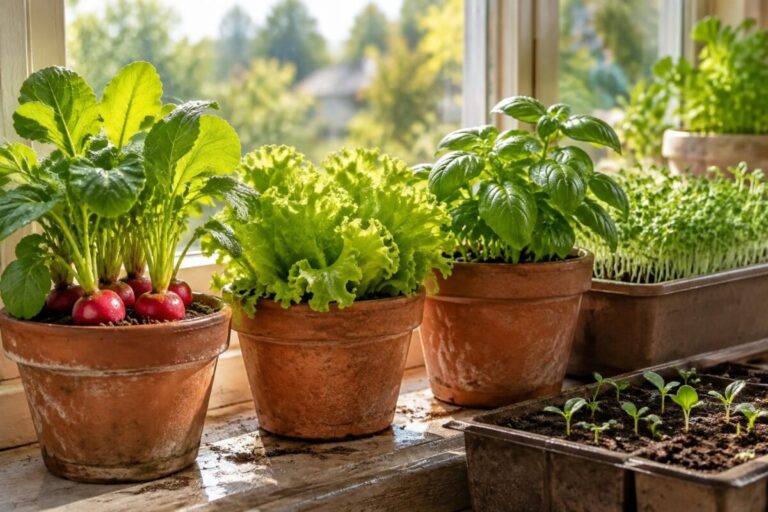
If you have a balcony or very little space, choose radishes, cut-and-come-again lettuce, and herbs in a container garden. If you have a sunny spot in the ground, add dwarf beans or a zucchini, leaving enough space between plants.
“It’s better to start small and harvest than to sow everything and wear yourself out.” A beginner named Lina started with a container of lettuce and a few radishes; seeing the first shoots encouraged her to add beans the following month. The principle is simple: each harvest helps you make better choices next time.
How to prepare your first vegetable garden without overcomplicating things
An easy-to-reach location makes it easier to keep up with maintenance. Choose a sunny spot, but avoid areas where water collects; loose, well-drained soil works for most of the vegetables mentioned.
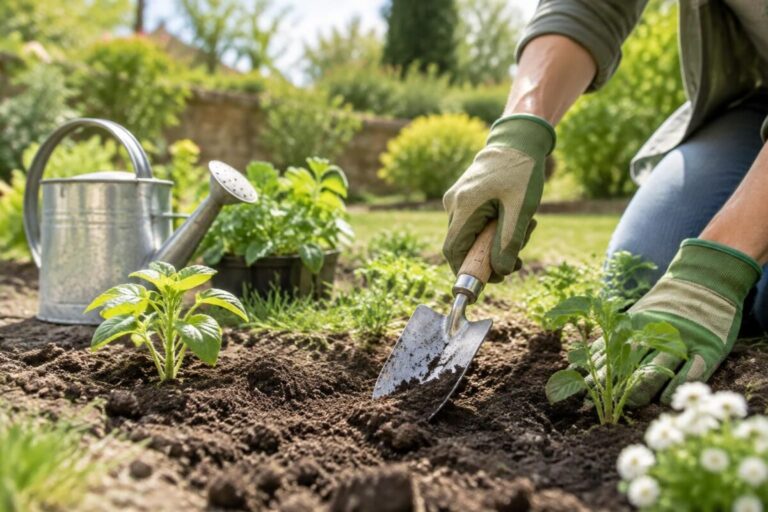
Remove weeds, loosen the soil slightly with a garden fork, and add a little mature compost. There’s no need to turn over the entire plot deeply: light preparation is often enough for your first plantings.
- Step 1: Check the light and measure the available space. Start with a small area, such as a few containers or a plot of about 2 m².
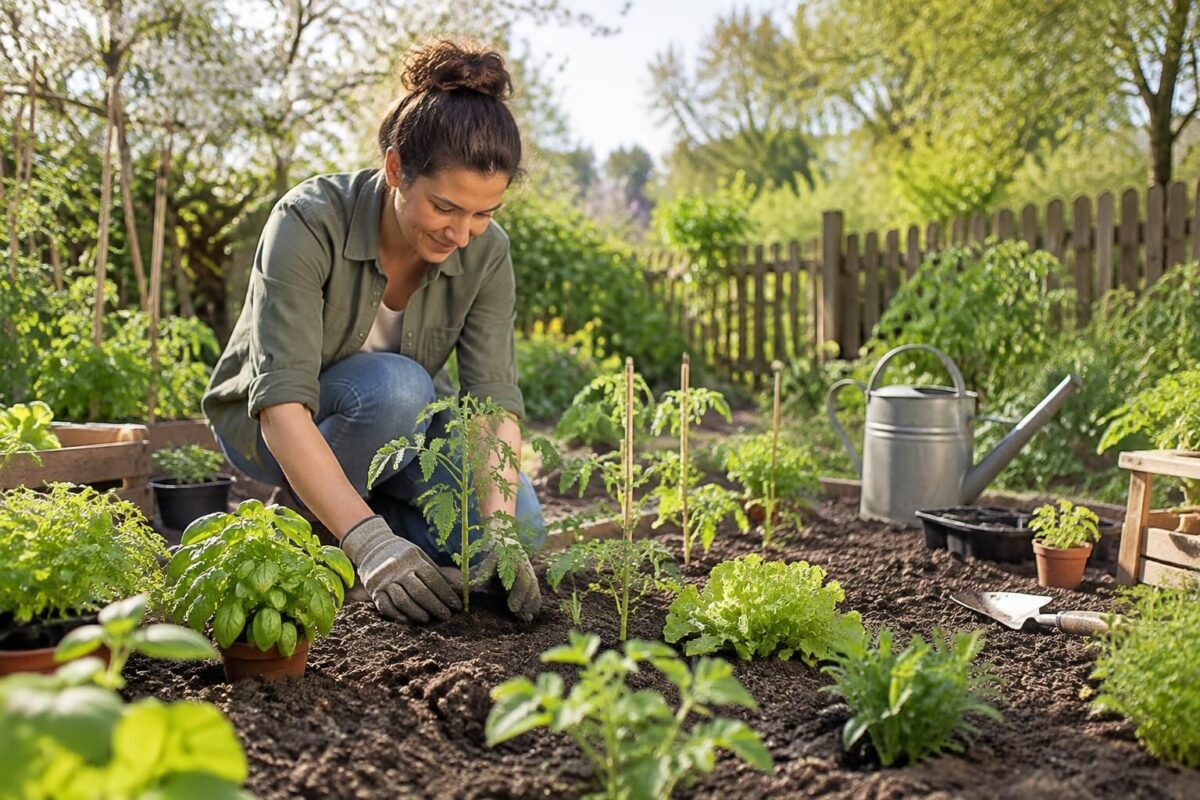
- Step 2: Sow the radishes and lettuce according to the instructions on the packet. Then plant the tomatoes or zucchini once the nights are no longer cold.
- Step 3: Check the soil moisture, water at the base of the plants when the surface dries out, and harvest regularly. A light layer of mulch can help retain moisture.
If you’re gardening on a balcony, choose pots with drainage holes and compact varieties; if you’re planting in the ground, set aside a larger area for zucchini and spreading plants.
Follow the seasons and water at the right time
In spring, you can sow radishes, lettuce, spinach, and peas, depending on your local climate. In summer, tomatoes, beans, and zucchini take over; in autumn, corn salad and some cabbages do well in milder temperatures.
The planting calendar varies depending on your region, exposure, and the conditions each year. Check the seed packet instructions and keep an eye on the weather: sowing periods are guidelines, not fixed dates.
Water preferably in the morning or late in the day, directly at the base of the plants. Regular, appropriate watering is better than a very heavy watering after several days of dry soil.
Small tasks that help you stay on track
Take a few minutes each week to weed, check the leaves, and harvest anything that’s ready. If a plant turns yellow or seems wilted, first check the soil moisture and light exposure before changing several things at once.
To prevent problems, space plants apart and avoid frequently wetting tomato foliage. Herbs such as chives, thyme, or parsley are easy additions to your planting; basil prefers warmth and a bright spot.
Once you feel comfortable, you can try carrots, beets, leeks, or squash. Asparagus is more of a long-term project: it takes time before the first harvest, but can then remain productive for several years, depending on growing conditions.
Practical questions for beginner gardeners
Which vegetables should you plant first when you’re starting out?
Start with radishes, lettuce, and dwarf beans. Add a cherry tomato if you have enough sun and a suitable container or a spot in the ground.
Can you grow vegetables on a balcony?
Yes. Radishes, lettuce, and some herbs grow well in planters or pots with drainage holes. Cherry tomatoes can also work if they get enough light and have a large container.
How many varieties should you plant in your first year?
Four or five varieties are often enough to learn how to sow, water, and harvest without multiplying your tasks. You can expand your vegetable garden as you gain confidence.
How often should you water your first vegetable garden?
Check the soil regularly and water when the surface dries out. How often you need to water varies depending on the heat, wind, soil type, and pot size; water at the base of the plants to keep the leaves drier.
Thank you for reading; Solan