Gardening: should you aim for speed or productivity at the outset?
Hello, Solan here. To get off to a good start, aim for a productive garden of a manageable size and add a few fast-growing vegetables so you can enjoy your first harvests soon. When you’re new to gardening, focusing entirely on speed can deliver quick results, but not always consistent ones. Simple choices, soil that is protected, and suitable crops create more sustainable productivity in the garden. The goal: harvest early without turning the garden into a construction site.
Things to put in place right away
- Choose a small area that’s easy to water and maintain.
- Write down your gardening goals: harvest often, eat fresh, or fill a few jars for preserving.
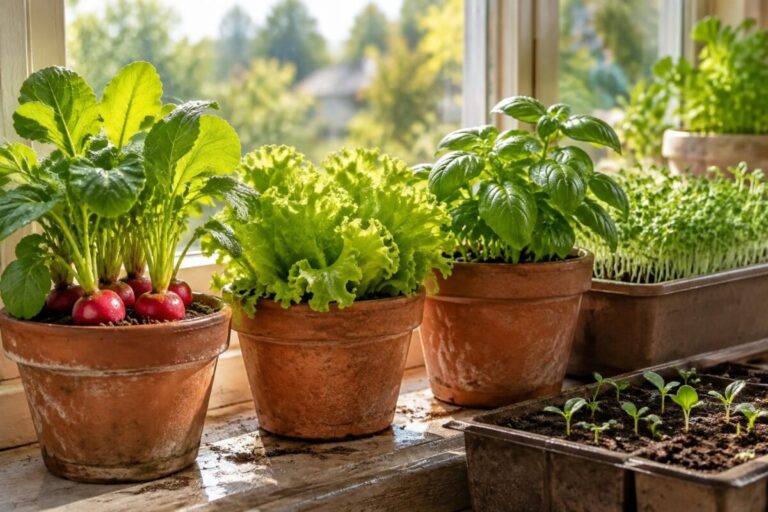
- Plan easy-to-grow crops, such as radishes, lettuce, or spinach, depending on the season and local climate.
- Leave space for slower-growing crops, such as tomatoes or squash.
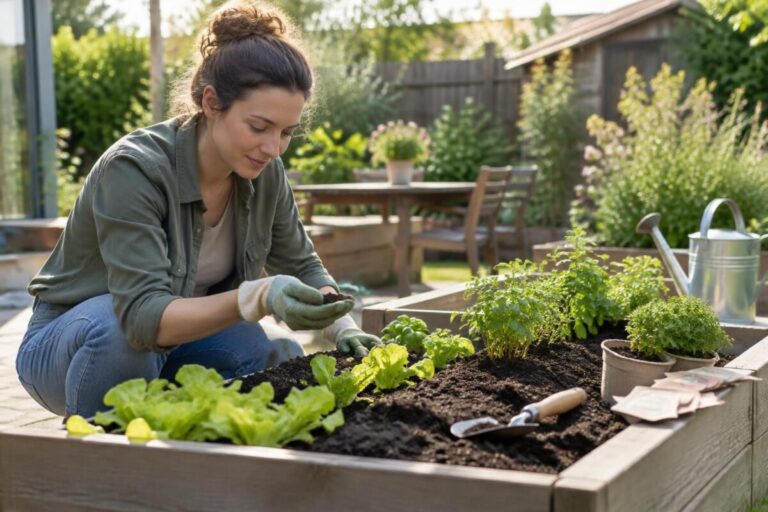
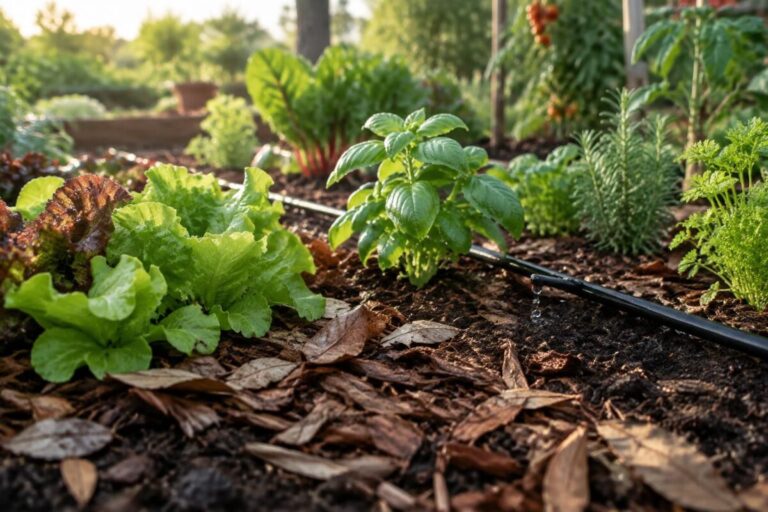
- Protect the soil with a light mulch once the plants are established.
A good start combines an early harvest with productive yields over time: a simple plan helps you stay on track without trying to optimize everything in your first season. To organize your space, see this beginner’s vegetable garden plan and these tips for creating a simple, productive garden space.
Fast-growing or productive: which should you choose for your garden?
Fast-growing crops provide a useful sense of accomplishment: they take up the soil for only a short time and let you adjust your gardening habits within the first few weeks. But a garden made up solely of fast-growing vegetables doesn’t guarantee an abundant harvest throughout the season.
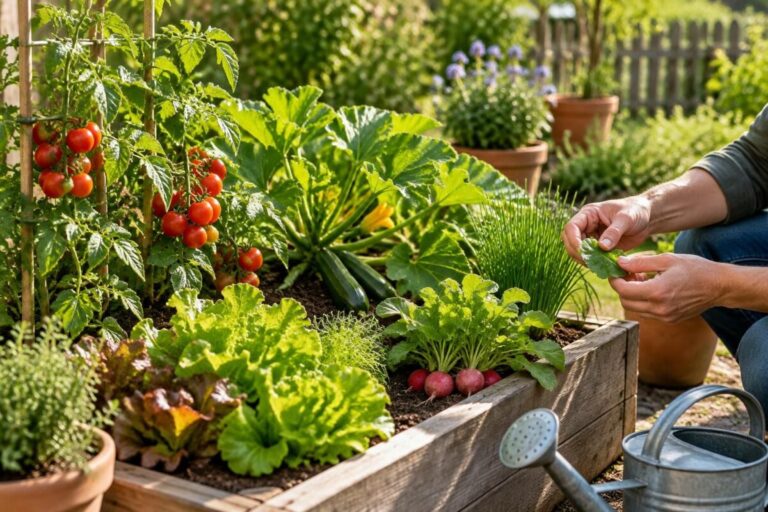
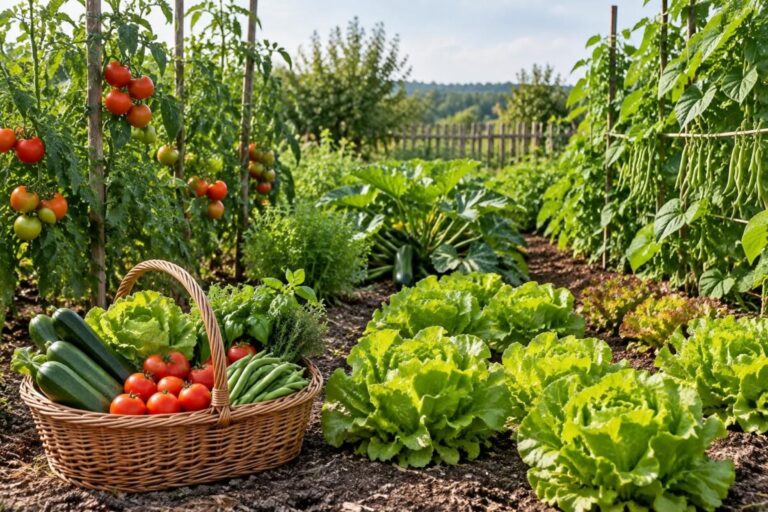
For productive yields, it’s better to stagger your crops. Radishes and lettuce can produce early, while beans, tomatoes, or zucchini take over later, depending on the weather and the variety. Choosing crops then becomes a way to spread out your harvests, rather than a race against the clock.
| Priority | What to choose | Things to keep in mind |
|---|---|---|
| Harvest quickly | Radishes, baby greens, some types of lettuce | Results depend on the season and growing conditions. |
| Harvest over time | Beans, tomatoes, zucchini | These crops often need more space and attention. |
| Balance both | Combine fast-growing and slower-growing crops | Stagger sowings to avoid one big harvest peak. |
If this is your first gardening experience, start small with a few easy-to-grow crops and observe how they develop. If you’re already familiar with the basics, set aside part of the garden for slower-growing crops and try staggering your sowings.
A simple three-step method
A good plan keeps you from sowing at random and helps you conserve your energy. Three simple steps are all it takes to get started with a clear plan.
- Step 1: decide on the size. Mark out an area you can water and maintain without spending all day on it. A small, well-tended space is often more useful than a large plot that’s only half cultivated.
- Step 2: distribute the crops. Plant a few fast-growing vegetables for the first few weeks, then add seasonal crops that will produce for longer. Check the sowing times suited to your region.
- Step 3: observe and adjust. Note what grows well, what you actually harvest, and how much time you spend maintaining the garden. Next season, expand only what you found enjoyable and useful.
One story sums up the value of this approach: Lina sowed too many radishes all at once and ended up with an abundant harvest in just a few days. The following year, she spaced out her sowings and was able to harvest them more regularly.
Patience in the garden helps you grow more, too
Patience in the garden doesn’t mean waiting without doing anything. It means giving plants time to establish themselves, avoiding unnecessary major projects, and learning from what the land shows you.
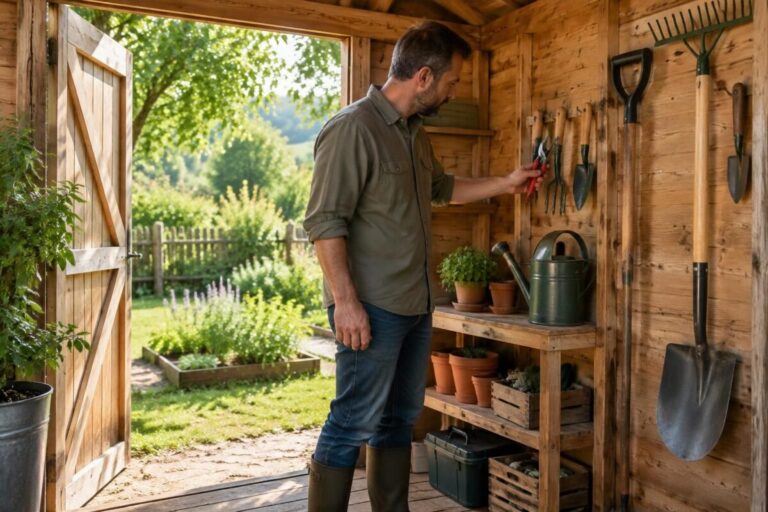
“A garden that lasts starts with simple actions.” Protecting the soil, watering appropriately, and mulching around the base of plants often support growth without adding extra tasks. Useful tools are the ones that make these jobs easier, not the ones that clutter up the shed.
Productivity, then, isn’t measured only by the weight of the harvest. It’s also reflected in the consistency of the vegetables, the time spent in the garden, and the pleasure of coming back to it.
A productive first season, without pressure
At first, aim for balance: a few quick harvests to keep you motivated, and slower-growing crops to spread out your baskets of produce. This combination helps you learn without giving up on achieving real results.
Your garden doesn’t have to be perfect in its first year. By keeping the area manageable and adjusting your choices as you go, based on each harvest, you’ll develop a method that suits you.
Common questions about fast-growing and productive crops
Which vegetables grow quickly in a garden?
Radishes, some types of lettuce, baby greens, and spinach can provide quick harvests, depending on the variety, season, and local conditions.
Should you choose only fast-growing vegetables?
No. Combine a few fast-growing crops with vegetables that produce for longer to get more evenly distributed harvests.
How can you improve productivity in the garden?
Start with a suitable area, protect the soil, water regularly, and choose crops you actually enjoy eating.
Can a small garden be productive?
Yes. Clear organization, well-managed watering, and staggered sowings make it possible to make the most of a small area.
Thanks for reading; Solan