Easy-care plants: which ones grow with little effort?
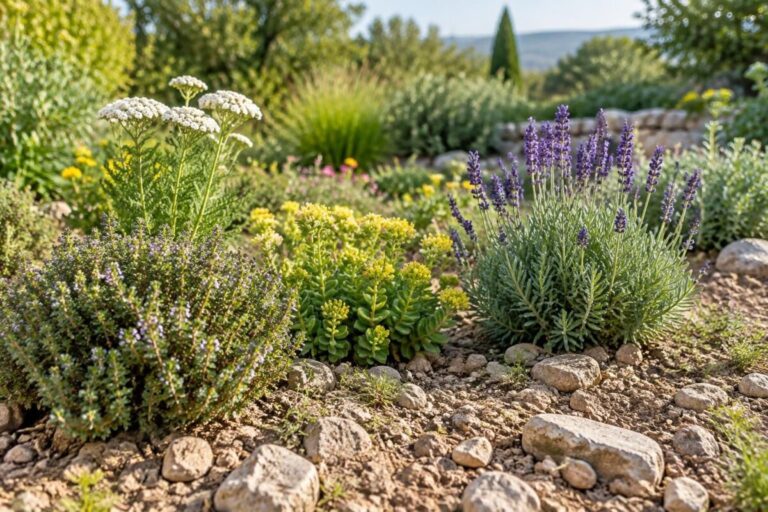
Hello, it’s Solan here. For flowers that come back with little care, choose perennials suited to the light and moisture conditions in your garden: lavender, sedum and yarrow for dry sun; hardy geranium or hellebore for partial shade. These easy-care plants still need regular watering after planting. The first year matters: getting established well helps hardy plants cope better with dry spells later on.
Things to do right away
- Identify the sunny, shady and cool areas in your garden.
- Check whether the soil stays damp after rain or dries out quickly.
- For a dry, sunny spot, start with lavender, yarrow or sedum.
- Water young plants regularly while they become established.
- Mulch the soil to limit unwanted weeds and maintain more consistent moisture.
To choose plants for beginners and find more easy gardening ideas, you can read these tips on easy plants to grow when you’re just starting out and this selection of flowering perennials that come back every year.
Which easy-care perennials should you choose for your garden?
A perennial lives for several years and grows back after its dormant period. It still has needs: it becomes low-maintenance mainly when planted in a spot that suits its preferences. As a simple gardening principle goes: “The right plant in the right place takes less effort.”
For dry, sunny soil, plants that don’t need frequent watering once established often include lavender, yarrow, sedum, gaura and some perennial salvias. In ordinary soil, coneflower, rudbeckia and coreopsis provide abundant blooms. In light shade, choose hellebore, bergenia, lungwort or barrenwort.
Flowering plants for sunny spots and dry soil
Lavender likes full sun and soil that drains well. Yarrow and sedum are also good choices for a rock garden or a flower bed that dries out quickly. Gaura and perennial salvia are easy ways to add to the display, but gaura can be less reliable in regions with cold winters.
These species aren’t indestructible plants in every situation. Lavender planted in heavy, damp soil may die back, even though it tolerates drought well once established. Good drainage and watering while it gets established make all the difference.
Perennials for partial shade and light shade
Hardy geranium makes good ground cover and adapts to different exposures depending on the variety. Astilbe likes cool, humus-rich soil; it suffers if the soil stays dry for long periods in summer. Japanese anemone blooms later in the season and needs a little space to spread.
For light shade, bergenia provides long-lasting foliage, while hellebore blooms in winter or early spring, depending on the species. Lungwort and barrenwort are suited to cool spots. Check the specific needs of the variety you choose, especially its tolerance of cold and winter moisture.
15 easy-care plants to compare before planting
Blooming periods are approximate: they vary by variety, region and weather. “Low” means watering can often be spaced out once the plant is established, not that it should be left without water.
| Perennial | Exposure | Recommended soil | Watering once established |
|---|---|---|---|
| Lavender | Sun | Very well-drained | Low |
| Yarrow | Sun | Average to poor | Low |
| Sedum | Sun | Dry and well-drained | Very low |
| Gaura | Sun | Well-drained | Low |
| Perennial salvia | Sun | Well-drained | Low |
| Coneflower | Sun | Average and well-drained | Moderate |
| Rudbeckia | Sun | Average | Moderate |
| Coreopsis | Sun | Average and well-drained | Low to moderate |
| Hardy geranium | Sun to partial shade | Average | Low to moderate |
| Astilbe | Partial shade | Cool and humus-rich | Regular |
| Japanese anemone | Partial shade | Cool and well-drained | Moderate |
| Hellebore | Light shade | Well-drained | Low to moderate |
| Lungwort | Shade | Cool | Regular |
| Barrenwort | Light shade | Average to humus-rich | Low to moderate |
| Bergenia | Shade to partial shade | Average, not prone to drying out | Low to moderate |
Plant in three steps to reduce maintenance
- Step 1: observe the location. Note the amount of sun, the wind and any areas where water pools. Soil that dries out quickly won’t suit the same species as a cool spot under a tree.
- Step 2: prepare the soil to suit the plant. For lavender, sedum or salvia, choose a well-drained area and improve heavy soil across a sufficiently wide area. For astilbe or lungwort, keep the soil cool without waterlogging it.
- Step 3: plant, water and mulch. Set the crown level with the soil, give each clump enough room, then water thoroughly. Apply mulch to damp soil without covering the crown.
Once, a beginner gardener planted lavender in a very damp spot because it looked pretty. She replaced it with bergenia, which was better suited to the location, and reduced watering without giving up on flowers.
Choosing easy-care plants for a balcony or flower garden
In a pot, a perennial dries out faster than it does in the ground because there’s less soil around its roots. Choose compact varieties of lavender, salvia, yarrow, sedum or hardy geranium. The container must have drainage holes, and the potting mix should suit the plant.
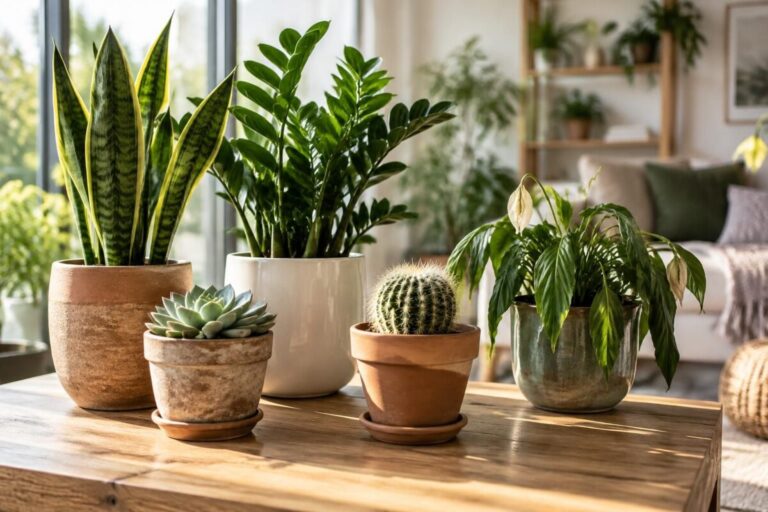
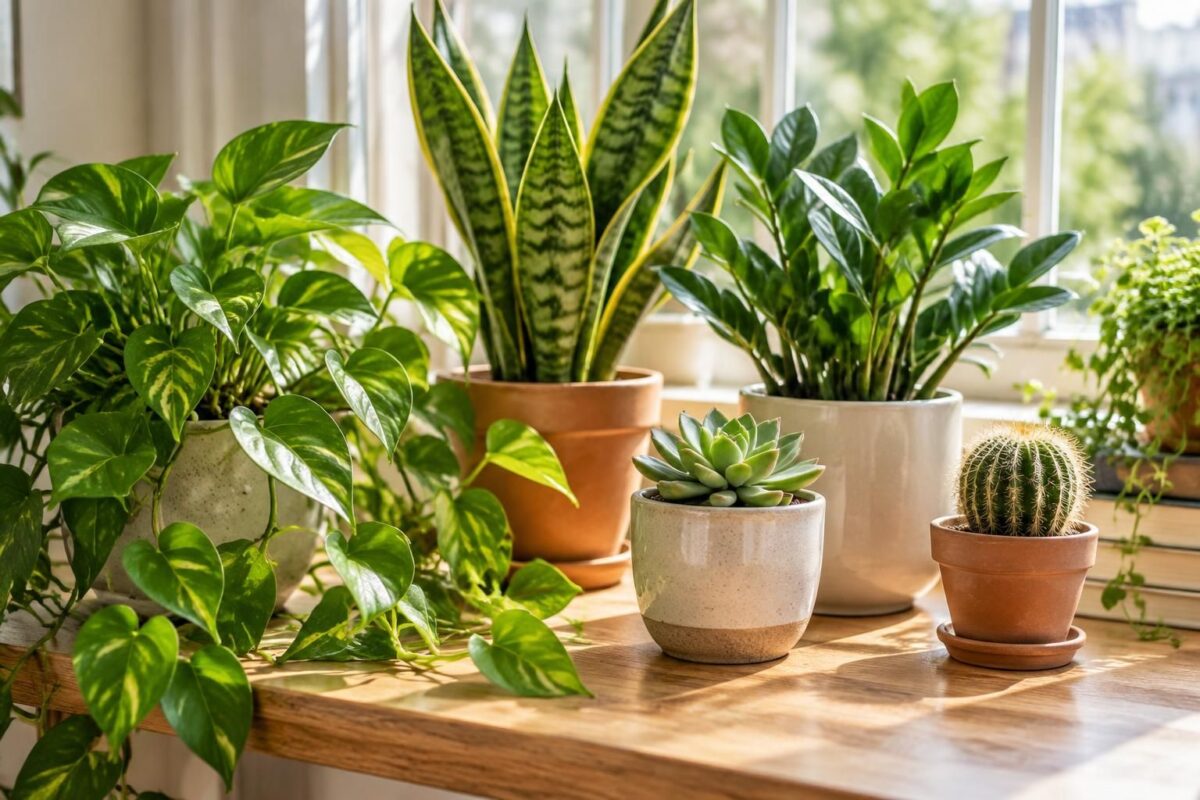
If you’re looking for houseplants, their needs will be different: available light, room humidity and pot size will guide your choice. For outdoor flower beds, it’s better to combine species with similar water and sun requirements. Fast-growing plants can cover the soil more quickly, but allow for how much they’ll spread so they don’t smother their neighbors.
If your garden is dry and sunny, choose lavender, yarrow or sedum. If your spot is cool and shady, consider hardy geranium, bergenia or astilbe instead.
Simple steps to keep perennials healthy
The first year is the most delicate, even for plants known to tolerate drought. Keep an eye on new plantings during hot spells, then water less often once they’re well established. In pots, check the soil regularly, as it dries out faster than a flower bed.
In spring, remove damaged parts and check for new growth. In autumn, don’t automatically cut back all the stems: those of coneflowers or rudbeckias can be left in place for part of the winter. Light pruning after flowering can help some varieties, but every plant has its own rhythm.
Low-maintenance plants don’t need a complicated schedule, just a well-chosen location and a few timely tasks. That’s what makes them easy to care for, rather than promising a garden that needs no care at all.
Useful questions about easy-care plants
Which perennials need the least maintenance?
In sunny, well-drained soil, sedum, lavender, yarrow and some perennial salvias often need little watering once established. Young plants still need attention.
Which flowering plants should I choose for full sun?
For dry soil, choose lavender, sedum, yarrow, gaura or perennial salvia. In average soil, coneflower, rudbeckia and coreopsis are good options.
Are easy-care perennials suitable for pots?
Yes, especially compact varieties of lavender, salvia, sedum or hardy geranium. Use a pot with drainage holes and keep an eye on moisture, as potting mix dries out faster than soil in the ground.
Do all perennials need to be pruned every year?
No. Some stems can be left in place over winter, while others can be tidied in spring or lightly pruned after flowering. Tailor the task to the species.
Thanks for reading; Solan