Vegetable garden: Which vegetables are the most profitable for beginners?
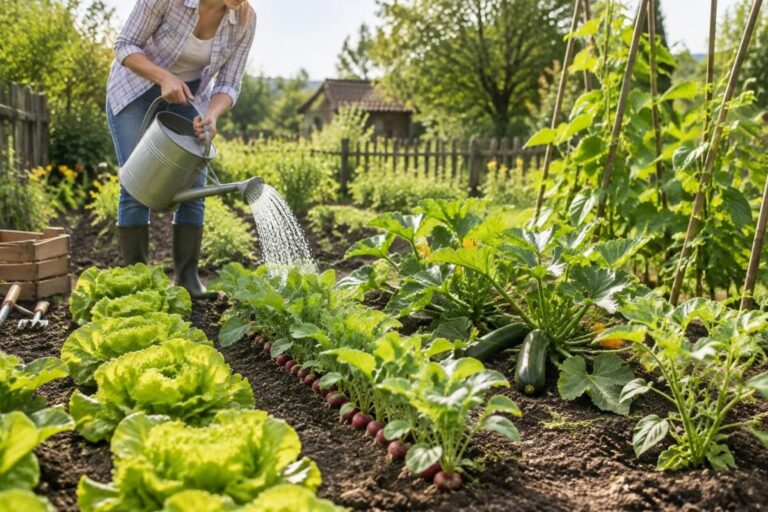
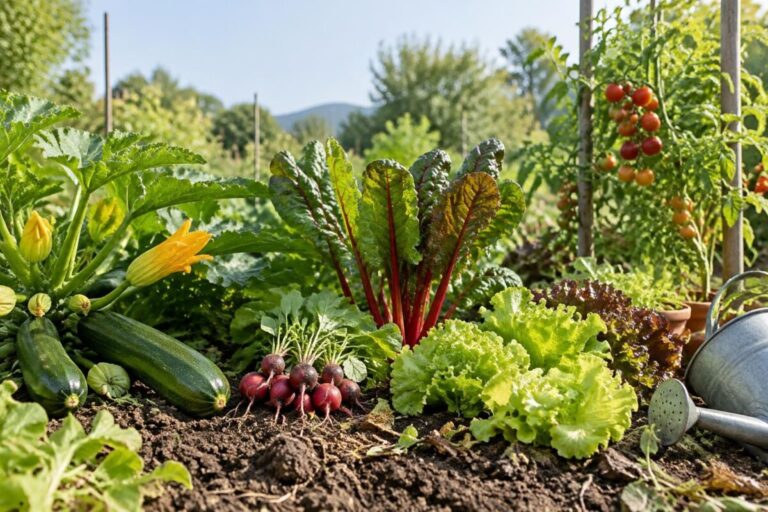
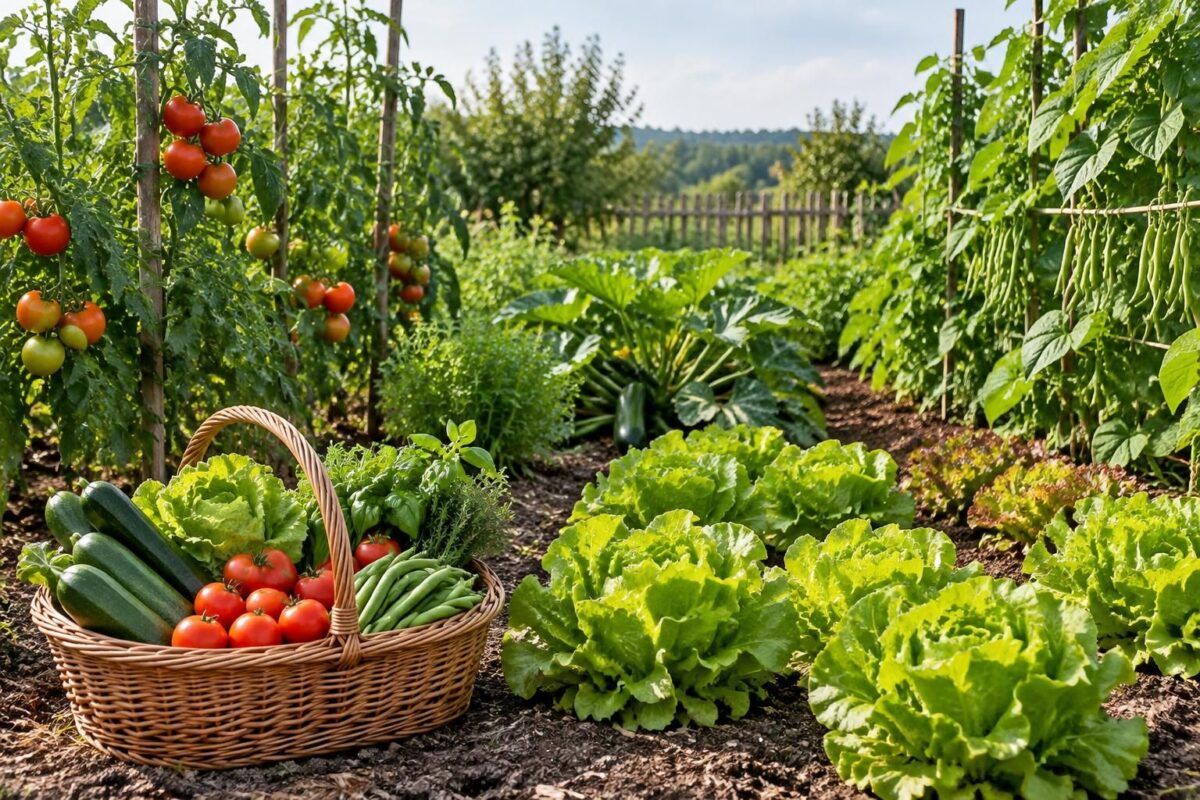
Hello, Solan here. To get started, focus on radishes, cut-and-come-again lettuce, zucchini, and cherry tomatoes: they often provide plenty of harvests for little space and expense. The most productive vegetables are those you can harvest over a long period, quickly, or in abundance. Choose a few that suit your space, then add varieties you really enjoy eating.
What to do right away
To get harvests without making your first attempts too complicated, start small and prioritize easy vegetables for beginners. These tips on easy-to-grow vegetables and this selection for beginner gardeners can also help you make your choice.
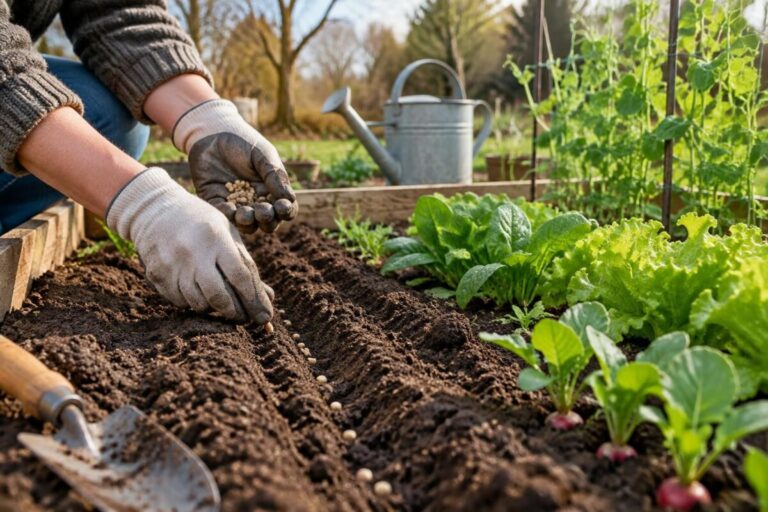
- Sow small amounts of radishes, then sow again every two or three weeks.
- Plant a few cut-and-come-again lettuces so you can harvest the leaves as you need them.
- Set aside a sunny spot for a zucchini plant: it takes up space, but produces generously.
- Choose a cherry tomato seedling in a pot if you want an easier start.
- Plan a support for climbing green beans, or choose a more compact dwarf variety.
Which vegetables give you the most for your money in the garden?
Profitability doesn’t depend only on the weight of the harvest. Also consider how long you can harvest, how much space the crop takes up, the price of seeds or seedlings, and what you often buy at the store. High-yield vegetables are especially worthwhile when they grow well in your garden’s conditions.
| Vegetable | Why it’s a good choice | What it needs |
|---|---|---|
| Radishes | Quick harvest, easy to sow repeatedly | Moist soil and regular watering |
| Cut-and-come-again lettuces | Leaves harvested as you need them for meals | Consistent watering, especially in hot weather |
| Zucchini | Often produces abundantly over a long period | Sunshine, rich soil, and space |
| Cherry tomatoes | Lots of small fruits to harvest in clusters | A sunny spot and a stake |
| Green beans | Repeated harvests, especially with climbing varieties | A support for climbing varieties |
| Potatoes | Useful harvest for meals, with the option to store them | More space and several months of growing time |
Radishes may be ready in three weeks to a month, depending on the variety and growing conditions. Zucchini often produces a lot, but one plant may be enough for a small garden: otherwise, you may end up giving some to the whole neighborhood.
Cut-and-come-again lettuces are handy when you want to harvest just enough for a meal. Swiss chard is also a good choice for harvesting leaves and stems over an extended period, with fertile soil and regular watering.
Choose cost-effective vegetables to suit your space
Cost-effective vegetables are those that regularly replace things you buy and that you really enjoy. Green beans, lettuces, and cherry tomatoes can be harvested as they ripen, while potatoes need more space for a concentrated harvest.
If you have a balcony or a small garden bed, choose radishes, cut-and-come-again lettuces, and cherry tomatoes in pots. If you have a sunny plot, add zucchini, green beans, and potatoes depending on the space available.
A neighbor who was just starting out sowed her entire row of radishes on the same day: she had a lot to harvest all at once, then nothing. By sowing at intervals, she was later able to pick them regularly.
“The best vegetable to grow is the one you love finding on your plate.” This principle helps you avoid spending time on a crop that will be left in the garden.
Three steps to start a productive vegetable garden
- Step 1: Measure the space and identify the areas that get the most sun. Keep bulky vegetables, such as zucchini, away from compact crops.
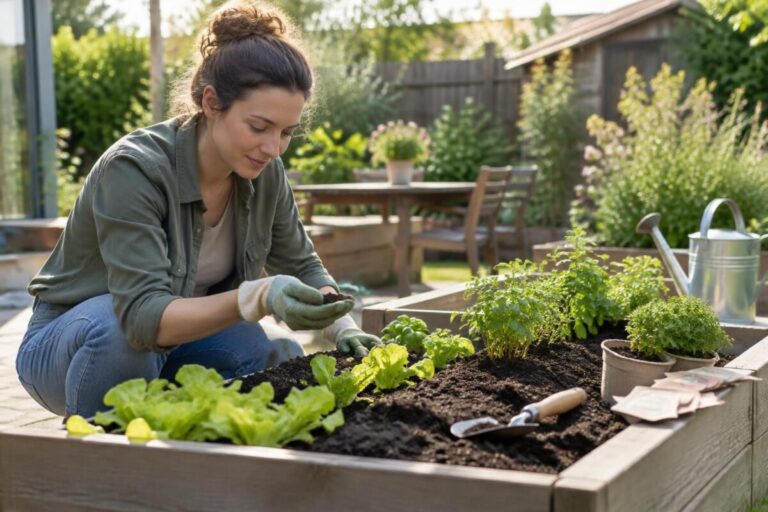
- Step 2: Prepare loose soil and enrich it with mature compost. Sow radishes and green beans directly in the ground, and transplant tomato or lettuce seedlings when conditions are favorable.
- Step 3: Water at the base of the plants, mulch the soil, and harvest regularly. Sow radishes and lettuces again to stagger your harvests.
A small, well-tended vegetable garden often gives better results than a large plot that’s difficult to maintain. To start, choose three or four crops and see what grows best where you are.
A generous harvest without growing lots of different crops
Cherry tomatoes and zucchini are often productive, but they need sunshine and regular watering. Avoid wetting the zucchini foliage, and keep an eye on the tomatoes after wet spells, as diseases can slow their growth.
To save space, train climbing green beans up a sturdy support. Potatoes can be a good choice if you have a large enough plot, but they aren’t the most space-efficient option for beginners.
Good choices for the season and the time you have available
In spring, radishes and lettuces are an easy way to get started. Once the soil has warmed up and the risk of frost has passed, you can plant zucchini, tomatoes, and green beans, adjusting the timing to your region.
If you’re short on time, prioritize seedlings in pots and crops you can harvest gradually. If your main goal is to stock your pantry, set aside more space for potatoes, bearing in mind that they occupy the soil for several months.
Practical questions about your first vegetable garden
Which vegetable gives a quick harvest for beginners?
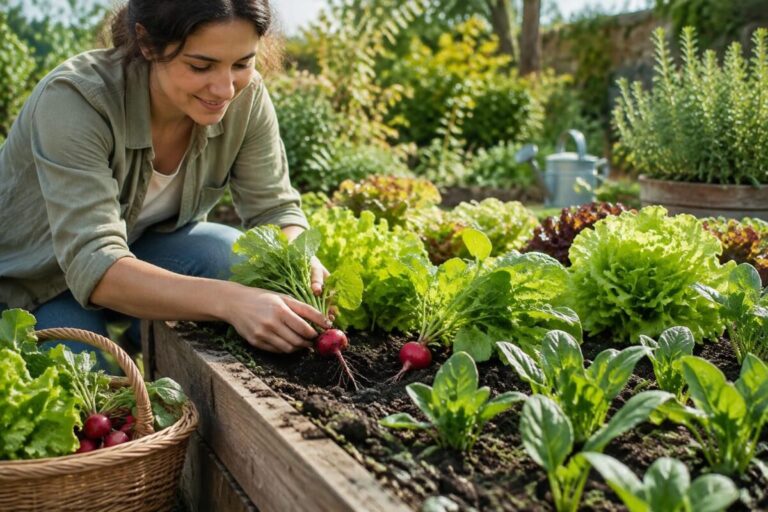
Radishes are often a good choice: depending on the variety and conditions, they may be ready in three weeks to a month. Sow small amounts to spread out the harvests.
Which vegetables should you choose for a small vegetable garden?
Choose radishes, cut-and-come-again lettuces, and a cherry tomato in a pot. They take up little space and provide regular harvests with minimal care.
Are zucchini really worthwhile?
They often produce generously, but need sunshine, water, and space. In a small garden, one plant may be enough.
Are potatoes suitable for beginners?
Yes, they’re easy enough to grow, but they occupy a plot for several months. Choose them if you have enough space and want a harvest you can store.
Thanks for reading; Solan