Beginner gardening: varieties that forgive almost anything
Hello there, Solan here. To get started, go for lavender, sedum, hardy geranium, echinacea, and radishes: these hardy varieties tolerate small mistakes well. With a few easy plants and a spot suited to their sun or shade needs, you can grow beautiful plants without spending all day on it. The secret to beginner gardening is choosing plants that already thrive where you live.
Things to put in place right away
- Choose three or four varieties suited to the amount of sun your space gets.
- Start with a small flower bed or a few pots rather than a large garden.
- Improve drainage if the soil stays damp after rain.
- Water thoroughly when planting, then space out watering according to the weather.
- Make a note of what grows well so you can make the right choices again next season.
To choose low-maintenance plants, first check their needs for sun and water, and whether they are suited to your region. These gardening tips can also help you avoid overly demanding choices: choosing easy plants right from the start and planning your first garden tasks.
Hardy varieties that make gardening easier for beginners
Lavender and cotton lavender thrive in sunny spots and well-drained soil. Once established, they need little water and add fragrance and a silvery touch to the garden. In heavy soil, avoid planting them where water collects.
Sedum is a hardy succulent that stores water in its leaves. It often needs only limited watering and adds structure to pots and flower beds alike. Hardy geranium, meanwhile, covers the ground and helps keep unwanted weeds at bay.
Hardy flowers for a colorful flower bed
Echinacea blooms in summer and tolerates cold well once established. Yarrow adapts to a range of soils and attracts pollinators. Catmint is an interesting alternative to lavender in regions with wetter summers.
A neighbor planted a few clumps of catmint at the foot of her rose bushes: the border filled out without any complicated care. As an old gardening principle goes: “The right plant in the right place takes less effort.”
Easy-to-grow vegetables for your first harvest
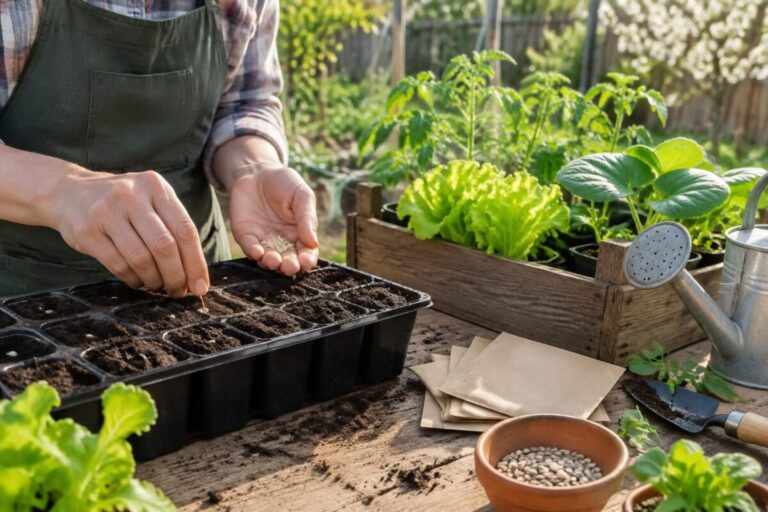
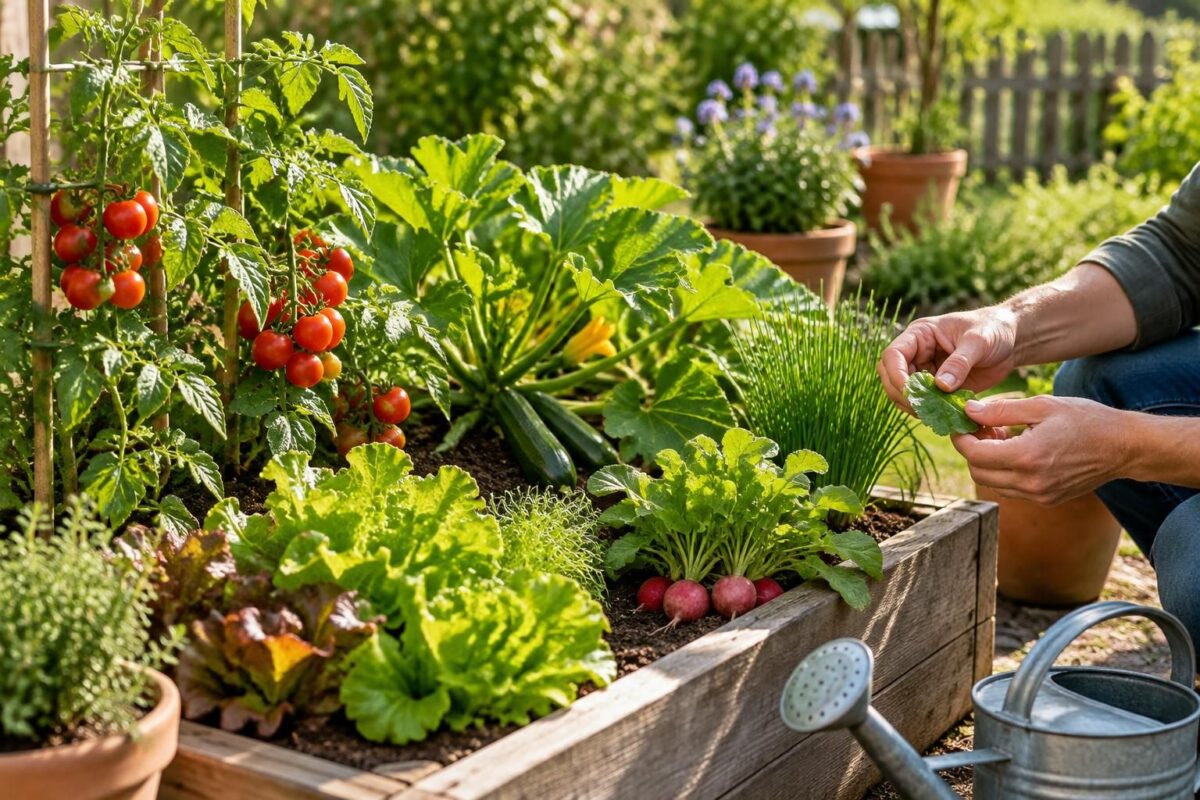
For the vegetable garden, radishes, lettuce, arugula, and spinach are good choices to get started. They grow relatively quickly and can also be grown in containers. Bush beans and peas are also easy to grow, as long as you give them loose soil and water them regularly.
Cherry tomatoes and zucchini often produce generous summer harvests, but they need warmth and consistent watering. To make your first crop an easy success, start small: a few plants are enough to learn without getting overwhelmed.
Simple guidelines for care and harvesting
| Variety | Watering once established | Key point |
|---|---|---|
| Lavender | Low | Well-drained soil, light pruning after flowering |
| Sedum | Very low | Tolerates dry spells well |
| Echinacea | Low | Summer flowers, good cold tolerance |
| Hardy geranium | Moderate | Useful as ground cover; sun or partial shade, depending on the variety |
| Radishes | Regular | Often ready to harvest within a few weeks |
| Lettuce | Regular | Harvest leaf by leaf or as a whole head |
Harvest times vary according to the variety, season, and growing conditions. For radishes, allow around three to four weeks; lettuce generally takes longer, depending on the climate and how you harvest it.
Three steps to planting without complicating things
- Step 1: Observe your space throughout the day and identify areas of sun, partial shade, and shade.
- Step 2: Choose suitable varieties, then loosen the soil and add compost if it is poor.
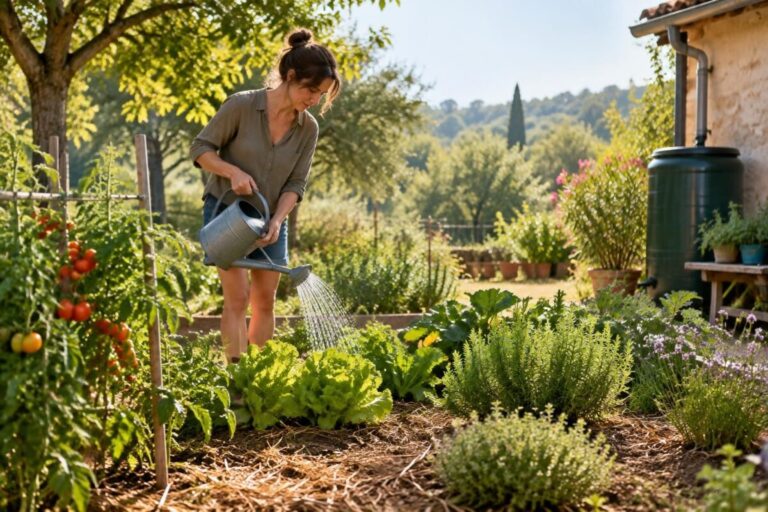
- Step 3: Plant, water at the base, and check the soil moisture before watering again.
The first season takes a little more attention because the roots are getting established. After that, resilient plants like sedum and well-chosen perennials can significantly reduce the time spent on basic maintenance.
If you have a sunny balcony, try radishes, lettuce, and sedum in a pot. If you have a garden where the soil stays damp, choose catmint and hardy geranium rather than lavender.
Easy choices to keep you enjoying gardening
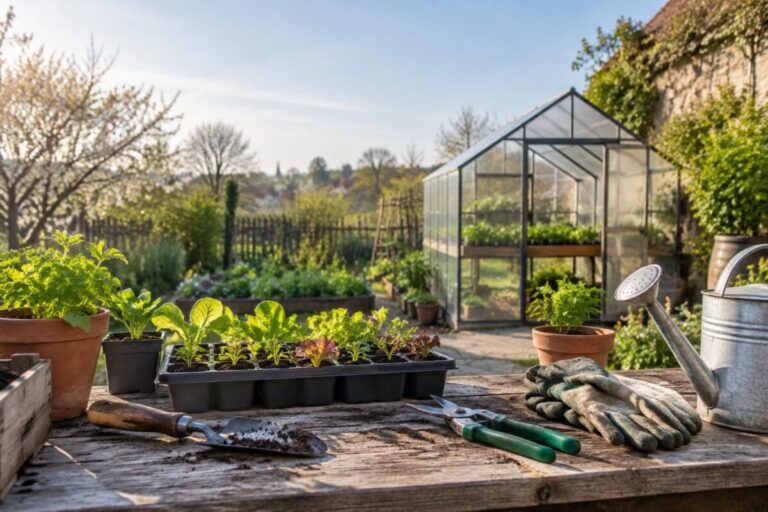
A good start isn’t a perfect garden, but a few plants that thrive in the conditions you have. Pair one or two perennials with easy-to-grow vegetables, then expand the space as you discover more: mistakes matter less when the project stays simple.
Thanks for reading; Solan