Gardening: why does your soil turn to “powder” on the surface?
Hi there, Solan here. Soil that is powdery on the surface may simply be dry or may have been crumbled too finely: check the moisture and structure a few centimeters below the surface before working it again. A hard crust and a layer of dust do not necessarily call for the same solution. The first step is to observe, then protect bare soil and limit unnecessary work.
What to do right away
- Look below the surface to distinguish dry dust, a hard crust, and compaction.
- Add a light mulch to preserve moisture and protect the soil surface.
- Enrich the soil with well-rotted compost to improve its composition and structure.
- Avoid repeatedly using tools and walking on cultivated areas.
- Water gently but regularly to maintain steady moisture and prevent the soil from drying out.
To protect the soil, the ADEME’s mulching advice offers guidance on the materials you can use. Adapt the cover to the crops growing there rather than letting young seedlings disappear under a thick layer.
Why your soil becomes powdery on the surface: common causes
Distinguish between three situations. Dust above soil that is still moist does not call for immediate watering. A dry clod deeper down needs an amount of water suited to the crop. A hard crust after rain can hinder seedling emergence and water infiltration: also check for compaction and runoff. You cannot determine whether soil is sandy, silty, or clayey from the surface color alone.
Avoid routinely reducing the soil to powder with repeated passes. The RHS notes that excessive cultivation can damage its structure and that working soil when it is too wet can harm it. Wait until it has drained; work only the area needed, without damaging existing roots.
Improve soil structure in 3 simple steps
- Step 1: Monitor and adjust your soil’s moisture. Not too dry, not waterlogged.
- Step 2: Incorporate an organic soil amendment—compost or well-rotted manure—to nourish the soil and improve its cohesion.
- Step 3: Protect the surface and intervene only if a crust or compaction makes it necessary, when the soil is at the right moisture level.
The positive effects on your vegetable garden and plants
By caring for the soil composition through these practices, you also improve your soil’s ability to retain water while providing good aeration. These conditions are essential for root development and plant growth. Well-balanced soil makes for a more productive vegetable garden, with more vigorous foliage and often more abundant harvests.
Light cultivation with a suitable tool
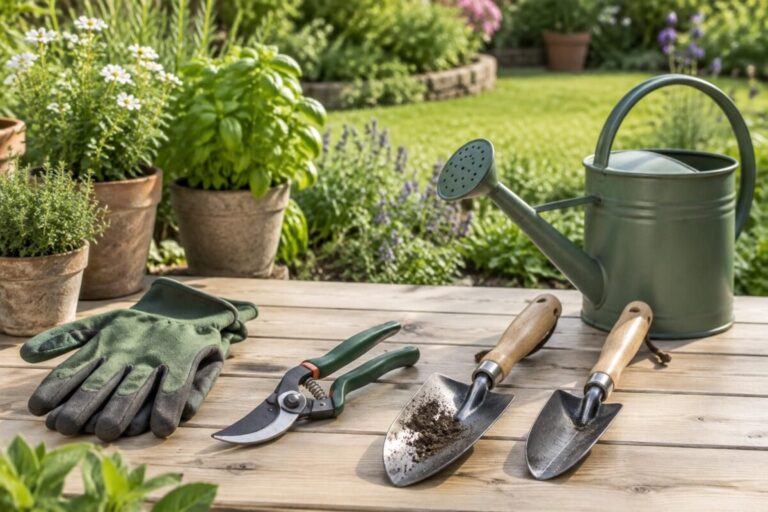
For a thin crust, a manageable hand tool lets you work the surface without turning over the entire plot. Check the head and handle before use, then clean and store the tool in a dry place. The advice on choosing and maintaining tools can help you keep this simple, durable equipment in good condition without accumulating machines.
| Cause | Symptoms | Solution |
|---|---|---|
| Lack of moisture | Dry, powdery soil on the surface | Regular watering and mulching |
| Soil compaction | Hard surface that is difficult to penetrate | Aeration and adding organic matter |
| Insufficient soil amendment | Poor texture, fragile soil | Incorporate compost and rotted manure |
| Clay soil | Sticky when wet, cracked when dry | Work the soil at the right time and add an organic amendment |
| Sandy soil | Lacks cohesion, dust on the surface | Add organic matter and mulch |
A handy tip to remember
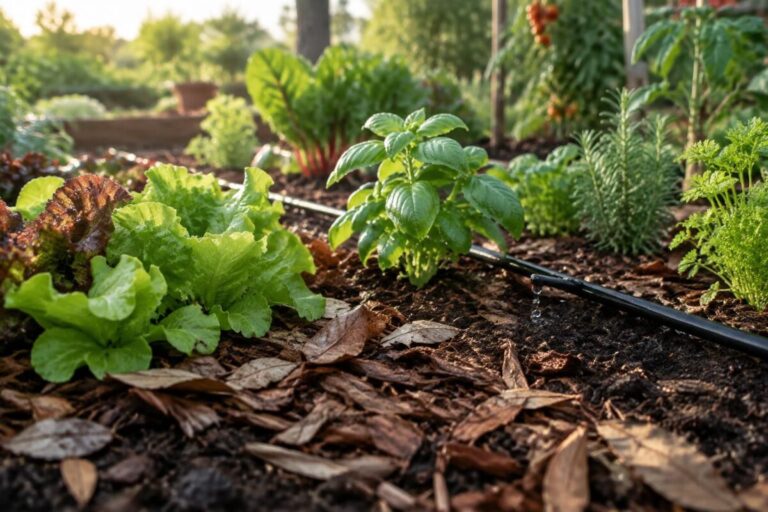
Apply mulch to soil that is already sufficiently moist and weeded, leaving the crowns and small shoots uncovered. Straw, leaves, and grass clippings should not all be applied at the same thickness: in particular, avoid thick layers of fresh clippings. A cover reduces evaporation, but does not guarantee ideal moisture or a successful harvest.
How can I tell if my soil is too compacted?
If it is hard, forms a crust on the surface, or water pools without soaking in, the soil is probably compacted.
What type of soil amendment should I choose to prevent powdery soil?
Mature compost can help improve soil structure. Adjust the amount to suit the soil and crops: repeated or excessive applications carry risks, even with an organic amendment.
Can I use sand to fix powdery soil?
Do not add sand at random to fix a powdery surface. First identify the soil texture and drainage; a significant change requires a soil assessment.
How often should I water to prevent the soil from becoming powdery?
There is no one-size-fits-all schedule. Check the moisture in the root zone and adjust watering to the crop, weather, and soil; a dry surface may conceal soil that is still moist.
Is it dangerous if my soil is powdery?
Not directly, but over time it can hinder root growth and weaken your plants.
Thanks for reading; Solan