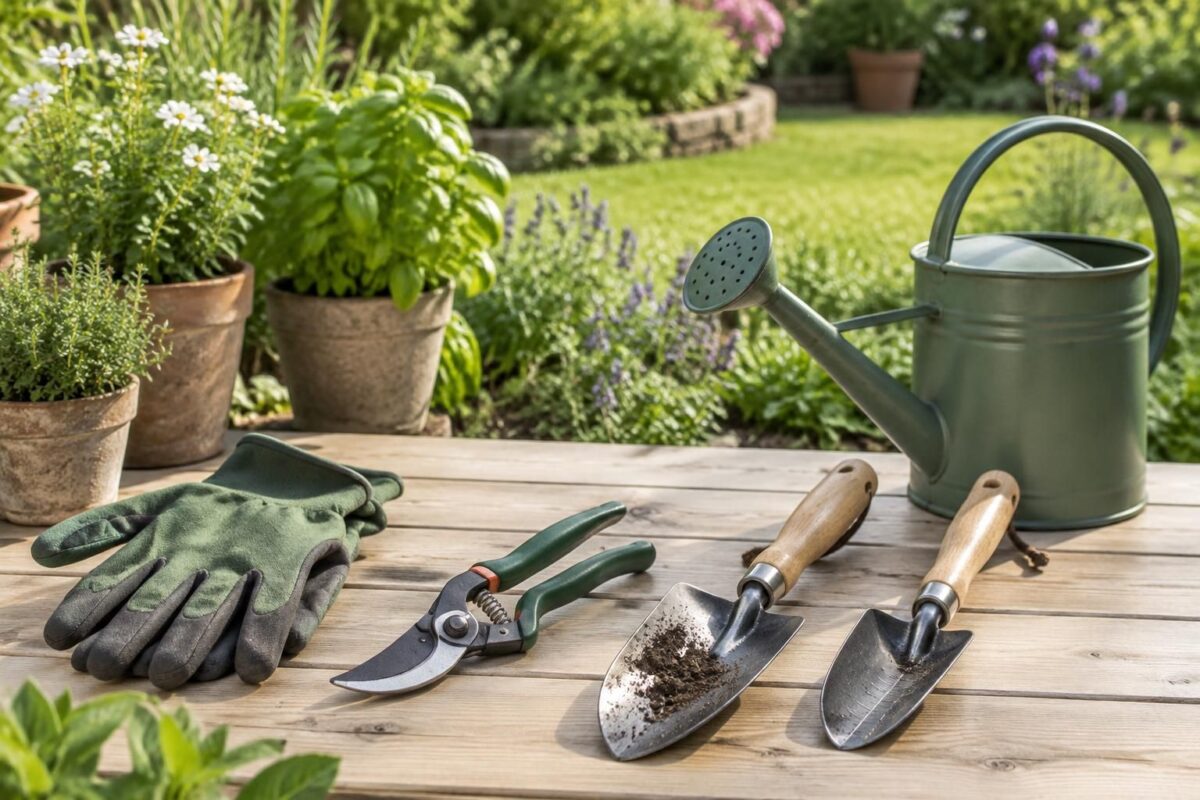
Garden tools: what essentials do you need to maintain a small garden?
Hi there, Solan here. To maintain a small garden, the bare essentials are five tools: a spade, a rake, a hoe, pruning shears, and a watering can. Choose tools that are lightweight, sturdy, and suited to your strength. With this small set of garden tools, you can prepare the soil, weed, prune, and water without cluttering your space.
Get these essentials in place right away
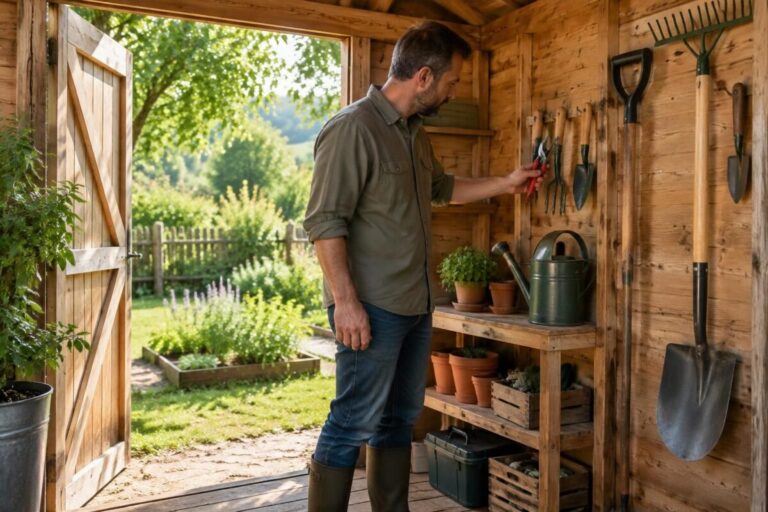
- Use a spade to loosen the soil and prepare for planting.
- Keep a rake handy to level the soil and gather leaves.
- Use a hoe to cut down young weeds and aerate the surface.
- Choose pruning shears to trim flowers and small branches.
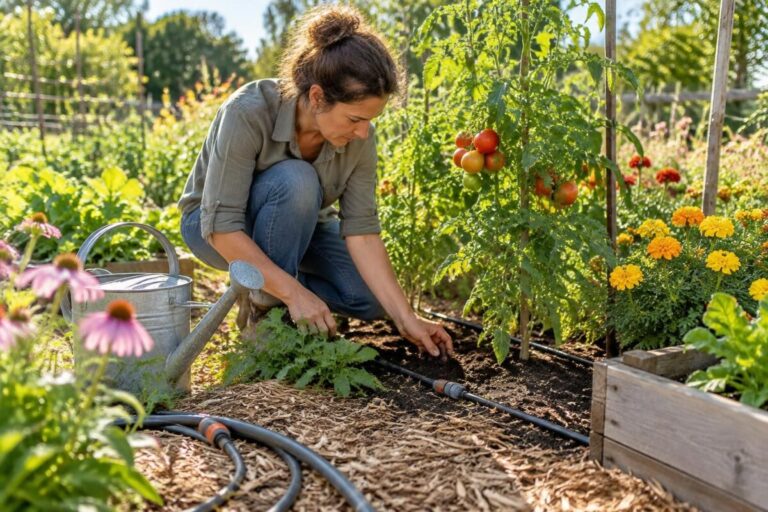
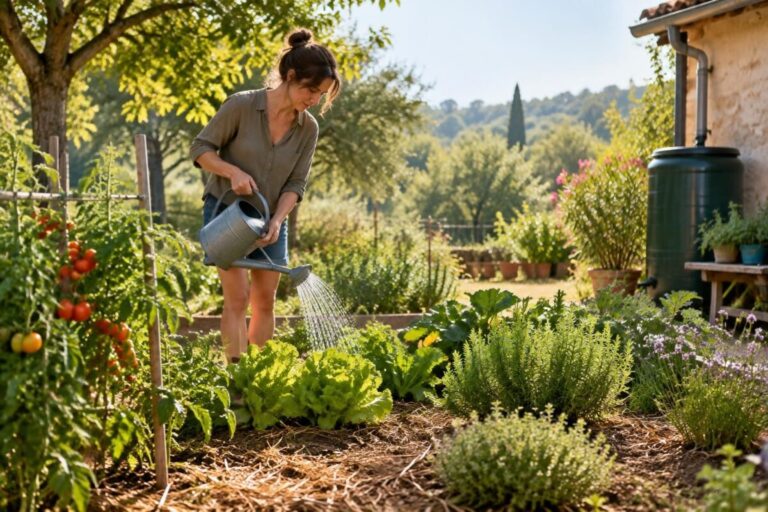
- Water plants at the base with a watering can, especially seedlings and potted plants.
This kit covers the essentials without requiring you to buy any machines. To compare other suitable equipment, check out this guide to garden equipment and this selection of gardening tools.
Which small garden tools should you choose for a small space?
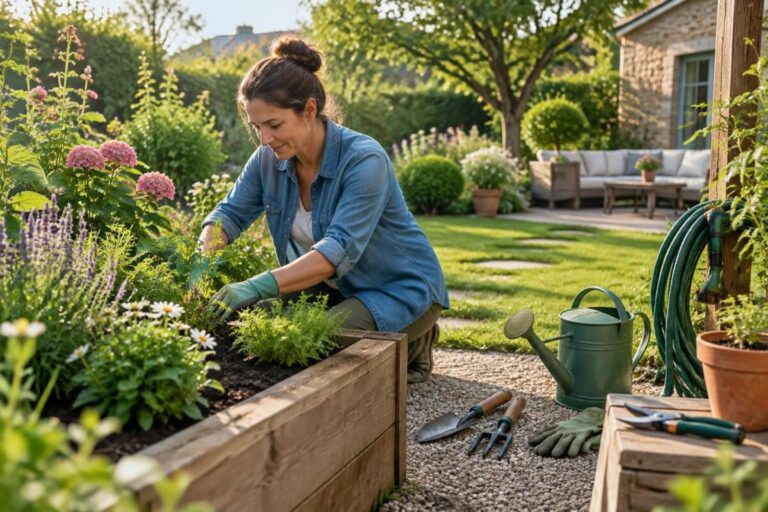
Choose a comfortable handle and a weight you can manage easily. A tool that is too heavy will quickly tire you out; one that is too flimsy may break after just a few uses. Well-fitting gardening gloves are a useful addition to this equipment and protect your hands from thorns and blisters.
A hand trowel is not essential to start with, but it comes in handy for planting in pots or moving a young plant. If you water a small lawn, a sprinkler may be useful; for flower beds and planters, a watering can generally lets you target the water more precisely.
| Tool | Main use | Approximate price |
|---|---|---|
| Spade | Turning and loosening the soil | About €15 to €50, depending on the model |
| Rake | Leveling the soil and gathering leaves | About €10 to €40, depending on the model |
| Hoe | Weeding and aerating the surface | About €10 to €30, depending on the model |
| Pruning shears | Trimming flowers and small branches | About €15 to €60, depending on the model |
| Watering can | Watering plants precisely | About €5 to €30, depending on the model |
An easy three-step maintenance routine
- Step 1: prepare the soil with the spade before planting, then level the surface with the rake.
- Step 2: hoe around young weeds regularly and cut dead branches with the pruning shears.
- Step 3: water early in the morning or in the evening, at the base of the plants, to limit evaporation.
If your space is mostly made up of pots, focus on a hand trowel and a watering can. If you have a small lawn or a hedge, consider a lawn mower or hedge trimmer only if manual maintenance starts taking too long.
Additional purchases to leave until later
A wheelbarrow makes it easier to transport potting soil and green waste, while loppers help with branches that are too thick for pruning shears. For a small garden, these tools can wait: it is better to buy things as you need them than to fill up the shed on day one.
A beginner gardener once chose a very lightweight plastic rake; it broke after a few uses in compacted soil. This little mishap is a reminder that a sturdy handle and durable tines are often worth more than a very low price. “A good tool is an extension of your hand.”
Three tips for keeping your tools in good condition
After each session, remove the soil and debris, then dry the metal parts before putting the tools away. Sharpen the pruning shears when they stop cutting cleanly, and apply a little oil to the metal if necessary.
In spring, prepare the soil and prune damaged branches. In summer, focus on watering and weeding; in autumn, use the rake to gather leaves. In winter, clean and store the tools somewhere sheltered from moisture: a few regular steps will extend their lifespan.
What tools do you need to get started in a small garden?
A spade, a rake, a hoe, pruning shears, and a watering can cover most everyday tasks. Add gardening gloves to protect your hands.
Do you need to buy a hand trowel right away?
It is not essential. It comes in handy for planting in pots, transplanting seedlings, and working in small spaces.
Do you need a sprinkler for a small garden patch?
Not always. A watering can works well for pots, seedlings, and flower beds; a sprinkler can help if you need to cover a small lawn.
How do you maintain garden tools?
Clean them after use, dry the metal parts, sharpen the blades if needed, and store the tools in a dry place.
Thanks for reading; Solan