Garden care: what should you plant if your soil is average?
Hi there, it’s Solan. For average soil, go for thyme, sage, sedums, blanket flowers, and undemanding vegetables such as peas or onions. These plants tolerate ordinary conditions and need little care once established. With good drainage and a little compost, your garden can quickly become more colorful and productive.
Things to do right away
Start by checking the moisture and texture of your soil, then choose a suitable planting for the amount of sun it gets. To refine your choices, see these tips on choosing plants for your garden and this guide to growing vegetables according to soil type.
- Push a spade into the ground to find out whether the soil is compact, sandy, or well-balanced.
- Choose plants suited to the sun or shade in each area.
- Add a layer of mature compost without trying to transform the entire plot.
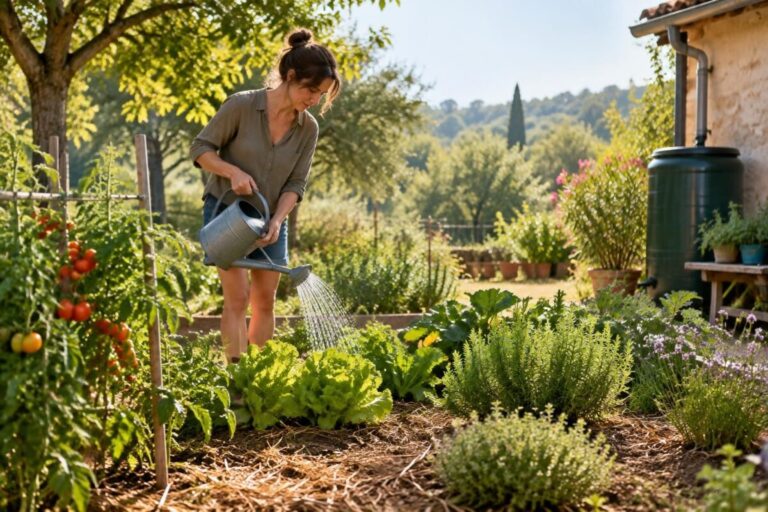
- Water new plantings regularly at first, then space out watering according to the weather.
- Spread mulch to limit evaporation and reduce unwanted weeds.
Which plants should you choose for average soil?
So-called average soil is neither particularly rich nor very poor. It can suit many species, as long as you avoid plants that need constantly moist or very fertile soil.
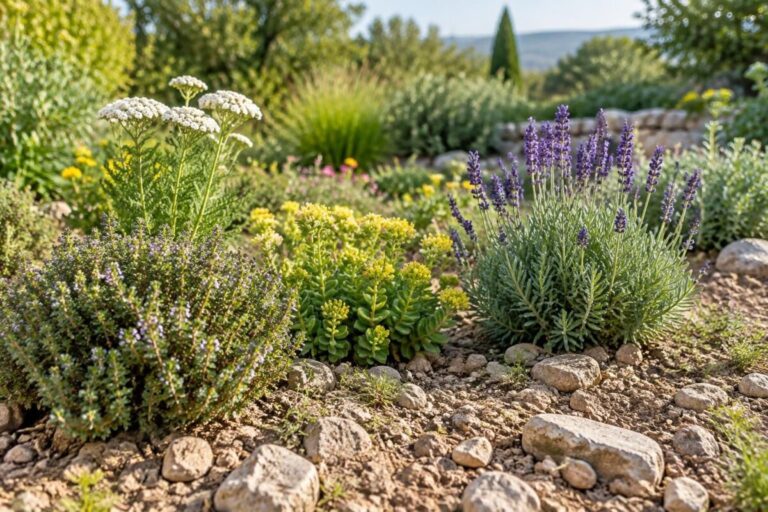
To get started without making things complicated, choose easy-to-grow plants such as thyme, sage, rosemary, and sedums. Hardy perennials such as blanket flowers and yarrow also add blooms, while suitable shrubs, such as rockrose, add structure to borders and need little watering once established.
| Garden need | Plants to try | What to provide |
|---|---|---|
| Fragrance and cooking | Thyme, sage, rosemary | Sun and well-drained soil |
| Long-lasting color | Blanket flower, yarrow, sedum | A sunny spot |
| Cover a border | Phlox subulata, pinks | Soil that does not stay waterlogged |
| Easy harvests | Peas, broad beans, onions | Regular watering while getting started |
Hardy flowers and ground-cover plants are especially useful in areas that are difficult to maintain. A sedum or a pink can dress up a dry border, while loosestrife is better suited to a spot that retains a little moisture.
Improve the soil without turning it upside down
Improving the soil can be simple: add mature compost on the surface and avoid working the soil when it is waterlogged. Organic mulch then helps retain moisture and gradually nourishes the soil.
A neighbor had left a strip of bare soil next to her patio. After planting thyme and a few sedums there, she created a colorful border that needs little watering. “The right plant is the one that thrives where it grows.”
Three steps to successful planting
- Step 1: Check the sunlight, drainage, and soil texture in the chosen spot.
- Step 2: Loosen the soil locally, remove large stones, and mix a small amount of compost into the soil.
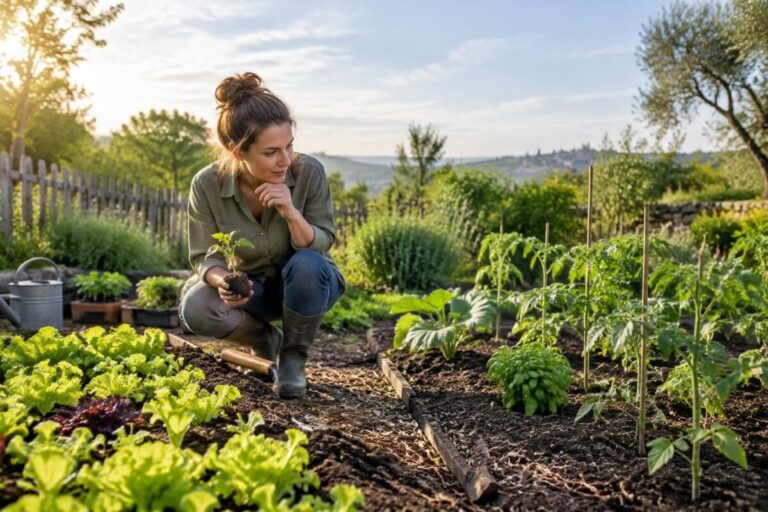
- Step 3: Plant, water at the base, and add a light layer of mulch, leaving the crown uncovered.
If your soil dries out quickly, favor rosemary, thyme, and sedums. If it stays damp after rain, choose plants that enjoy moisture and make sure the water can drain away.
Undemanding vegetables for the vegetable garden
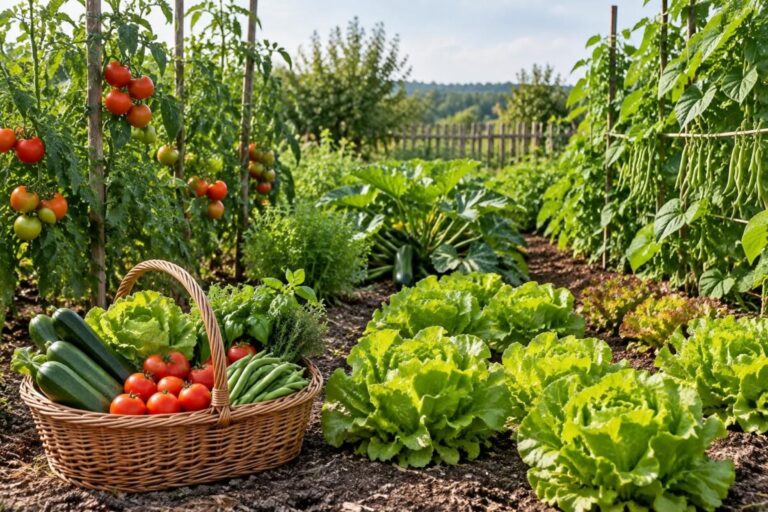
Peas and broad beans are good choices to start with: their roots explore the soil, and legumes help enrich it with nitrogen. Onions are also suitable for a lightly fertilized vegetable garden, while potatoes mainly need fairly loose soil and regular watering without overdoing it.
For tomatoes, peppers, or zucchini, improve only the planting area with compost. In pots, lettuce, radishes, and parsley are practical choices, but they need a suitable growing medium and consistent moisture.
Effective garden care does not mean fertilizing everything or watering more. It is mainly about observation: adjust what you add according to rainfall, heat, and how quickly the plants are growing.
Practical questions about planting in average soil
Should you enrich average soil before planting?
Not necessarily. A moderate amount of mature compost in the planting area is often enough. Avoid excessive additions, especially for Mediterranean herbs.
Which plants can cope with limited watering?
Thyme, sage, rosemary, sedums, and some blanket flowers tolerate drought fairly well once established. Water more during their rooting period.
Can you grow vegetables in average soil?
Yes. Peas, broad beans, and onions are good options. For hungrier vegetables, enrich only the area where they will grow with compost and keep an eye on watering.
How can you tell if the soil drains properly?
After rain or watering, check whether the water soaks in or remains pooled for a long time. If it stays on the surface, loosen the area and avoid planting species that are sensitive to prolonged moisture there.
Thanks for reading; Solan